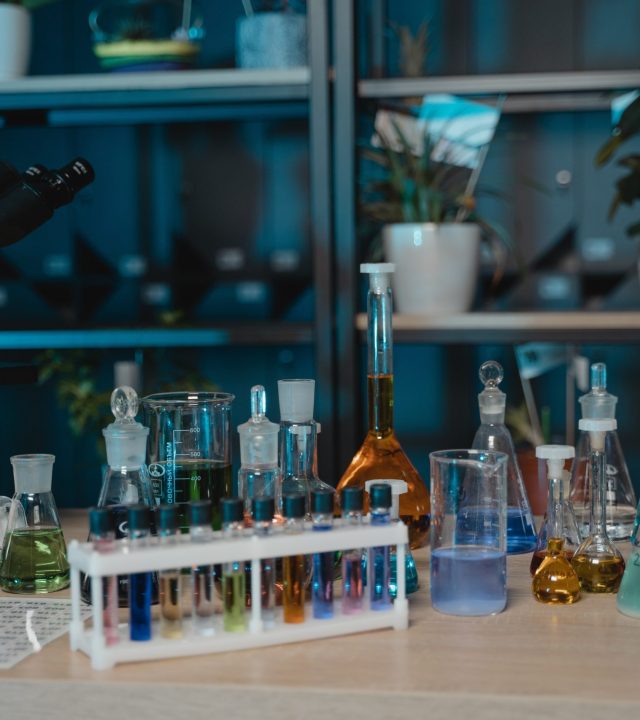
Chemicasl flasks Osiltec

Unlocking the Secrets of the Chemicals Lab: Essential Techniques and Safety Tips for Beginners

Stepping into a chemicals lab can feel like entering a world of endless possibilities and untapped potential, especially for beginners eager to explore the fascinating realms of science. But unlocking the secrets of this vibrant environment requires more than just curiosity; it demands a solid understanding of essential techniques and a commitment to safety. In this article, we will guide you through the fundamental skills every novice scientist should master, as well as the crucial safety tips that will not only protect you but also ensure a smooth and enjoyable lab experience. Whether you’re mixing compounds or conducting experiments, understanding the underlying principles and maintaining a cautious approach is vital. Join us as we unveil the keys to navigating the chemicals lab, preparing you for a successful journey into the captivating world of scientific exploration. Your adventure in chemistry awaits—let’s get started!

Importance of Safety in the Chemicals Lab

Stepping into a chemicals lab is akin to entering a realm where science and creativity converge, presenting endless opportunities to uncover the mysteries of the natural world. However, this environment, as exciting as it is, also harbors potential hazards that require a meticulous commitment to safety. Understanding the importance of safety is not just about protecting oneself from immediate harm, but also about fostering a culture of responsibility and respect for the scientific process. Every novice must adopt a safety-first mindset, which lays the foundation for all successful and ethical scientific endeavors.

Safety in the chemicals lab starts with proper attire. Wearing appropriate personal protective equipment (PPE) such as lab coats, safety goggles, and gloves is non-negotiable. These items form the first line of defense against chemical splashes, spills, and other accidents. Additionally, closed-toe shoes should always be worn to protect feet from any potential hazards on the lab floor. Besides personal attire, it is crucial to maintain a clean and organized workspace, as clutter can lead to accidents and impede efficient workflow.

Another critical aspect of lab safety is understanding and adhering to the institutional safety protocols. This includes knowing the location and proper use of safety equipment such as fire extinguishers, eye wash stations, and safety showers. Familiarity with Material Safety Data Sheets (MSDS) for all chemicals in use is also essential, as these documents provide detailed information on handling, storage, and emergency measures. By internalizing these safety principles, beginners can navigate the lab environment with confidence and competence, thus minimizing the risk of accidents and ensuring a smooth scientific journey.

Essential Lab Equipment and Their Uses

A well-equipped lab is the backbone of any successful experiment. For beginners, familiarizing themselves with essential lab equipment and their uses is a critical step towards becoming proficient in laboratory techniques. Each piece of equipment, no matter how small, plays a vital role in the experimental process, and understanding their functions can significantly enhance the accuracy and efficiency of your work.

One of the most fundamental pieces of lab equipment is the beaker. Beakers are versatile containers used for mixing, stirring, and heating chemicals. They come in various sizes and are usually made of glass or plastic. Another essential item is the graduated cylinder, which is specifically designed for measuring liquid volumes accurately. Unlike beakers, graduated cylinders have narrow, cylindrical shapes with precise volume markings, making them ideal for tasks requiring accurate measurements.

Pipettes and burettes are indispensable for transferring and dispensing liquids with high precision. Pipettes, including micropipettes, are used for transferring small volumes of liquids, while burettes are essential for titration experiments, where precise measurement of liquid volumes is crucial. Additionally, equipment like the Bunsen burner, which provides a controlled flame for heating substances, and the centrifuge, which separates mixtures based on density, are vital tools that every beginner should become familiar with. Mastery of these tools not only aids in performing experiments accurately but also builds a solid foundation for more advanced scientific investigations.

Basic Techniques Every Beginner Should Know

Mastering basic laboratory techniques is essential for any novice scientist. These foundational skills form the bedrock upon which more complex procedures are built. Among the most crucial techniques are proper measurement, solution preparation, and sample handling. Each of these skills requires practice and precision to ensure reliable and reproducible results.

Accurate measurement is the cornerstone of all scientific experiments. Beginners must learn to use various measuring instruments, such as balances for weighing solids and volumetric flasks for accurate liquid measurements. Understanding the correct way to read meniscus levels in graduated cylinders and pipettes is also vital. This skill ensures that the quantities of reagents used are precise, which is critical for the validity of experimental results.

Solution preparation is another fundamental technique that every beginner should master. This involves dissolving a solute in a solvent to create a homogeneous mixture. Knowing how to calculate molar concentrations, prepare standard solutions, and dilute stock solutions are essential skills. Proper labeling and storage of prepared solutions are also important to avoid confusion and contamination. As beginners gain confidence in these tasks, they will be able to tackle more complex chemical manipulations.

Sample handling involves techniques such as pipetting, centrifugation, and filtration. Proper pipetting technique ensures that precise volumes of liquids are transferred without contamination. Centrifugation is used to separate components of a mixture based on density, and understanding how to balance a centrifuge is crucial for safe operation. Filtration, whether through gravity or vacuum filtration, is used to separate solids from liquids. Mastery of these basic techniques not only enhances experimental accuracy but also builds a solid foundation for more advanced laboratory work.

Understanding Chemical Properties and Reactions

A deep understanding of chemical properties and reactions is fundamental for any aspiring chemist. This knowledge not only allows for the prediction of reaction outcomes but also informs the safe handling and storage of chemicals. Chemical properties are intrinsic characteristics of substances that determine how they interact with other substances, and understanding these properties is crucial for designing and conducting experiments.

Chemical properties can be broadly classified into physical properties and chemical properties. Physical properties, such as melting point, boiling point, and solubility, describe the behavior of substances without changing their chemical composition. For instance, knowing the solubility of a compound in various solvents can help in selecting the appropriate solvent for a reaction. On the other hand, chemical properties, such as reactivity with acids or bases, oxidation states, and flammability, describe how a substance undergoes chemical changes. Understanding these properties is essential for predicting reaction pathways and potential hazards.

Chemical reactions are processes where substances, known as reactants, undergo chemical changes to form new substances, called products. These reactions can be classified into various types, such as synthesis, decomposition, single replacement, double replacement, and combustion reactions. Each type of reaction follows specific rules and patterns. For example, in a synthesis reaction, two or more reactants combine to form a single product, while in a decomposition reaction, a single reactant breaks down into multiple products. Understanding these reaction types helps in designing experiments and predicting reaction outcomes.

Proper Lab Protocols and Procedures

Adhering to proper lab protocols and procedures is critical for ensuring the accuracy, reproducibility, and safety of experiments. These protocols are established guidelines that standardize laboratory practices, allowing for consistency and reliability in scientific research. For beginners, learning and following these protocols is essential for developing good laboratory habits and maintaining a safe working environment.

One of the key aspects of lab protocols is the proper documentation of experiments. Keeping detailed and accurate records in a lab notebook is crucial for tracking experimental progress, analyzing results, and identifying any deviations from expected outcomes. A well-maintained lab notebook should include the experiment’s objective, materials and methods, observations, and data analysis. This documentation not only aids in troubleshooting but also provides a permanent record of the research, which is essential for reproducibility and peer review.

Another important protocol is the proper handling and disposal of chemicals. This includes labeling all containers with the chemical name, concentration, and hazard information. Proper storage of chemicals according to their compatibility and hazard classification is also crucial to prevent accidents. Additionally, following the correct procedures for disposing of chemical waste, as outlined by institutional and regulatory guidelines, is essential for environmental safety. Adhering to these protocols ensures that the laboratory operates smoothly and safely.

Common Hazards and How to Avoid Them

Working in a chemicals lab involves exposure to various hazards, and understanding these risks is crucial for preventing accidents. Common hazards include chemical spills, fires, explosions, and exposure to toxic substances. By being aware of these dangers and knowing how to mitigate them, beginners can create a safer lab environment and avoid potentially serious incidents.

Chemical spills are one of the most common hazards in the lab. To prevent spills, always handle chemicals with care and use appropriate containers and equipment. In the event of a spill, it is important to act quickly and follow the lab’s spill response procedures. This typically involves containing the spill, neutralizing any hazardous chemicals, and cleaning up the area thoroughly. Wearing proper PPE and using spill kits can help minimize the risk of exposure and injury.

Fires and explosions are serious hazards that can result from improper handling of flammable or reactive chemicals. To avoid these risks, always store flammable substances in designated safety cabinets and keep them away from ignition sources. When working with reactive chemicals, use proper techniques and equipment, such as fume hoods and explosion-proof glassware. Additionally, knowing the location and proper use of fire extinguishers and safety showers is essential for responding to emergencies.

Exposure to toxic substances is another significant hazard in the lab. To minimize this risk, always work in well-ventilated areas and use fume hoods when handling volatile or toxic chemicals. Proper PPE, such as gloves and respirators, should be worn to protect against inhalation and skin contact. Understanding the toxicity and health effects of the chemicals you are working with is crucial for taking appropriate precautions and ensuring your safety.

Tips for Effective Lab Experimentation

Effective lab experimentation requires a combination of careful planning, precise execution, and thorough analysis. By following a systematic approach and paying attention to detail, beginners can enhance the accuracy and reliability of their experiments. Here are some tips to help you conduct successful lab experiments.

First, always start with a clear and well-defined objective for your experiment. Understanding the purpose of your experiment and the hypothesis you are testing will guide your experimental design and help you select the appropriate methods and materials. Conduct a thorough literature review to gather background information and identify any potential challenges or variables that may affect your results.

Next, meticulous preparation is key to successful experimentation. Ensure that you have all the necessary materials and equipment ready before you begin. Prepare reagents and solutions accurately, and calibrate any instruments or measuring devices to ensure precision. Create a detailed experimental plan, outlining each step of the procedure, and consider potential sources of error or variability. This preparation will help you execute your experiment smoothly and efficiently.

Finally, thorough data collection and analysis are essential for drawing meaningful conclusions from your experiment. Record all observations and measurements accurately and systematically in your lab notebook. Use appropriate statistical methods to analyze your data and determine the significance of your results. Present your findings clearly and concisely, and consider any limitations or areas for further research. By following these tips, you can ensure that your lab experiments are well-executed and yield reliable and valuable insights.

Resources for Further Learning and Skill Development

As a beginner in the field of chemistry, there are numerous resources available to help you expand your knowledge and develop your skills. From textbooks and online courses to professional organizations and hands-on workshops, these resources can provide valuable information and support as you continue your scientific journey.

One of the best ways to build a strong foundation in chemistry is through textbooks and academic literature. Many introductory chemistry textbooks cover fundamental concepts, techniques, and safety guidelines in detail. Look for books that include practice problems and laboratory exercises to reinforce your learning. Additionally, academic journals and research papers can provide insights into current developments and advanced topics in chemistry.

Online courses and tutorials are another excellent resource for beginners. Many universities and educational platforms offer free or low-cost chemistry courses that cover a wide range of topics, from basic principles to specialized techniques. These courses often include video lectures, interactive exercises, and quizzes to help you test your understanding. Websites like Khan Academy, Coursera, and edX are great places to start exploring online learning opportunities.

Joining professional organizations and attending workshops or conferences can also enhance your skills and knowledge. Organizations such as the American Chemical Society (ACS) and the Royal Society of Chemistry (RSC) offer resources, networking opportunities, and continuing education programs for chemists at all levels. Participating in hands-on workshops or laboratory training sessions can provide practical experience and help you develop proficiency in specific techniques. By taking advantage of these resources, you can continue to grow and thrive in the field of chemistry.

Conclusion: Embracing the World of Chemistry Safely

The world of chemistry offers endless possibilities for discovery and innovation, but it also requires a strong commitment to safety and proper technique. As a beginner, mastering essential laboratory skills and understanding the importance of safety protocols is crucial for your success and well-being. By adopting a safety-first mindset and continuously building your knowledge and skills, you can navigate the chemicals lab with confidence and competence.

Throughout this article, we have explored the fundamental aspects of laboratory safety, essential equipment, basic techniques, and the principles of chemical properties and reactions. We have also discussed proper lab protocols, common hazards, and tips for effective experimentation. By integrating these concepts into your practice, you can create a solid foundation for your scientific endeavors.

As you continue your journey into the world of chemistry, remember that learning is an ongoing process. Stay curious, seek out new opportunities for growth, and always prioritize safety in your work. With dedication and a commitment to excellence, you can unlock the secrets of the chemicals lab and contribute to the advancement of science. Embrace the adventure of chemistry, and let your passion for discovery guide you to new heights.

Unlocking the Secrets of the Chemicals Lab: Essential Techniques and Safety Tips for Beginners Read More »

Exploring India’s Chemical Industry: Top Companies Driving Innovation and Growth

India’s chemical industry is a dynamic powerhouse, playing a pivotal role in the nation’s economic growth and innovation landscape. Spanning a vast array of sectors, from pharmaceuticals to agrochemicals, this industry is not just about numbers; it’s about the trailblazers—companies that are reshaping the future with sustainable practices and cutting-edge technology. In this article, we will journey through the top companies driving the transformation of India’s chemical sector. By exploring their innovative approaches and growth strategies, we will uncover the key players making a significant impact on the global stage. Join us as we delve into the heart of this thriving industry, highlighting the visionaries who are propelling India forward in the competitive chemical landscape. Whether you are an investor, a business enthusiast, or simply curious about the synergies of chemistry and commerce, this exploration promises insights that illuminate the vibrant tapestry of India’s chemical industry.

Overview of India’s Chemical Industry

India’s chemical industry is a formidable force, contributing significantly to the nation’s GDP and employment landscape. This sector encompasses a wide range of products, including industrial chemicals, specialty chemicals, petrochemicals, agrochemicals, and pharmaceuticals. The diversity within the industry allows it to cater to various domestic and international markets, driving growth and fostering innovation. With its vast resource base and skilled workforce, India is well-positioned to become a global leader in chemical manufacturing.

Over the years, the industry has seen substantial investments in research and development (R&D), infrastructure, and technology. These investments have spurred advancements in chemical processes and product development, enabling companies to produce high-quality, cost-effective chemicals. This growth is supported by the government’s proactive policies and initiatives aimed at promoting industrial development and exports. As a result, the Indian chemical industry has become an attractive destination for foreign direct investment (FDI), further enhancing its global competitiveness.

The industry’s robust growth trajectory is also driven by increasing demand from key end-user industries such as automotive, construction, textiles, and agriculture. The rise in consumer spending, urbanization, and industrialization has fueled this demand, creating new opportunities for chemical manufacturers. Additionally, India’s strategic geographical location and strong trade relationships with major economies provide a competitive edge in the global chemical market.

Historical Background and Evolution

The roots of India’s chemical industry can be traced back to the early 20th century when the country began its journey towards industrialization. Initially, the industry was primarily focused on the production of basic chemicals and fertilizers to support agriculture. Post-independence, the government recognized the need for a robust chemical sector to drive economic growth and self-sufficiency. This led to the establishment of several public sector enterprises and the development of industrial corridors to facilitate chemical manufacturing.

During the 1960s and 1970s, the industry witnessed significant expansion with the entry of private players and the establishment of joint ventures with international companies. This period marked the beginning of technological advancements and the adoption of modern manufacturing processes. The liberalization of the Indian economy in the 1990s further accelerated the growth of the chemical industry. Deregulation and the opening up of markets attracted foreign investments and encouraged domestic companies to explore global markets.

In recent decades, the Indian chemical industry has evolved into a diverse and dynamic sector, characterized by innovation and sustainability. Companies have shifted their focus towards high-value specialty chemicals and green technologies, aligning with global trends and environmental regulations. The industry’s resilience and adaptability have enabled it to overcome challenges and continue its upward growth trajectory. Today, India is recognized as a key player in the global chemical industry, contributing to technological advancements and sustainable development.

Key Segments of the Chemical Industry

The Indian chemical industry is segmented into several key categories, each playing a crucial role in the overall ecosystem. These segments include basic chemicals, specialty chemicals, petrochemicals, agrochemicals, and pharmaceuticals. Each of these segments has unique characteristics and growth drivers, contributing to the industry’s diversity and resilience.

Basic chemicals form the foundation of the chemical industry, encompassing products such as acids, alkalis, and salts. These chemicals are essential for various industrial processes and are used in the production of a wide range of goods, from textiles to plastics. The demand for basic chemicals is driven by the growth of manufacturing and infrastructure development, both domestically and globally.

Specialty chemicals, on the other hand, are high-value products that cater to specific applications and industries. These include additives, adhesives, sealants, and coatings, among others. The specialty chemicals segment is characterized by innovation and customization, with companies investing heavily in R&D to develop advanced products that meet the evolving needs of customers. This segment is experiencing rapid growth due to increasing demand from end-user industries such as automotive, electronics, and consumer goods.

Petrochemicals are another vital segment, derived from petroleum and natural gas. These chemicals are used to produce a wide range of products, including plastics, synthetic rubber, and fibers. The petrochemical industry has seen significant growth due to the rising demand for plastic products and the development of new technologies for efficient production. Agrochemicals, including fertilizers and pesticides, play a critical role in supporting agriculture and ensuring food security. The pharmaceutical segment, known for its innovation and high standards, is a major contributor to global healthcare.

Major Players in the Indian Chemical Sector

India’s chemical industry is home to several prominent companies that have established themselves as leaders in innovation and growth. These companies have not only contributed to the domestic market but have also made significant inroads into the global chemical industry. Some of the top players include Reliance Industries, Tata Chemicals, UPL Limited, Aarti Industries, and PI Industries.

Reliance Industries is a powerhouse in the Indian chemical sector, with a diverse portfolio that includes petrochemicals, refining, and specialty chemicals. The company’s integrated business model and strategic investments in technology have positioned it as a leader in the global market. Reliance’s focus on sustainability and innovation has enabled it to develop advanced products and processes that meet the evolving needs of customers worldwide.

Tata Chemicals is another major player, known for its extensive range of products, including basic chemicals, specialty chemicals, and consumer products. The company’s commitment to research and development has led to the creation of innovative solutions that cater to various industries, from agriculture to healthcare. Tata Chemicals’ emphasis on sustainability and responsible manufacturing practices has earned it a reputation as a leader in green chemistry.

UPL Limited, a global leader in agrochemicals, has made significant contributions to the agricultural sector through its innovative crop protection solutions. The company’s extensive product portfolio and strong distribution network have enabled it to reach farmers across the globe, enhancing agricultural productivity and sustainability. Aarti Industries and PI Industries are also key players, known for their expertise in specialty chemicals and pharmaceuticals. These companies’ focus on R&D and strategic partnerships have driven their growth and success in the competitive chemical landscape.

Innovations and Technological Advancements

Innovation and technological advancements are at the heart of the Indian chemical industry’s growth and transformation. Companies are investing heavily in research and development to create new products, improve existing processes, and enhance sustainability. These efforts are driven by the need to meet the evolving demands of customers and comply with stringent environmental regulations.

One of the significant areas of innovation is the development of green chemistry and sustainable practices. Companies are adopting eco-friendly processes and materials to reduce their environmental footprint. This includes the use of renewable feedstocks, energy-efficient processes, and waste reduction techniques. The focus on sustainability is not only driven by regulatory requirements but also by the growing demand from consumers for environmentally responsible products.

Technological advancements in automation and digitalization are also transforming the chemical industry. The adoption of Industry 4.0 technologies, such as the Internet of Things (IoT), artificial intelligence (AI), and big data analytics, is enhancing operational efficiency and productivity. These technologies enable companies to monitor and optimize their processes in real time, leading to cost savings and improved product quality. Additionally, advancements in biotechnology and nanotechnology are opening new avenues for innovation in the chemical sector.

Collaborations and partnerships with academic institutions, research organizations, and technology providers are also playing a crucial role in driving innovation. These collaborations facilitate the exchange of knowledge and expertise, accelerating the development of cutting-edge solutions. The Indian chemical industry’s commitment to innovation and technology is positioning it as a leader in the global market, capable of addressing the challenges and opportunities of the future.

Regulatory Environment and Compliance

The regulatory environment in India plays a critical role in shaping the chemical industry. The government has implemented a comprehensive framework of laws and regulations to ensure the safety, sustainability, and competitiveness of the sector. These regulations cover various aspects, including environmental protection, chemical safety, and quality standards.

One of the key regulatory bodies overseeing the chemical industry is the Central Pollution Control Board (CPCB), which sets guidelines and standards for environmental compliance. The CPCB monitors air and water quality, waste management, and emissions to ensure that chemical manufacturers adhere to environmental regulations. Additionally, the Ministry of Environment, Forest and Climate Change (MoEFCC) plays a crucial role in approving projects and ensuring sustainable development.

The Bureau of Indian Standards (BIS) is responsible for setting quality standards for chemical products to ensure their safety and reliability. Compliance with these standards is mandatory for manufacturers, and regular inspections and audits are conducted to enforce adherence. The Chemicals (Management and Safety) Rules, 2020, is another significant regulation that governs the management, import, and export of hazardous chemicals, ensuring their safe handling and transportation.

The Indian government has also introduced several initiatives to promote the growth and competitiveness of the chemical industry. These include the Production-Linked Incentive (PLI) scheme, which provides financial incentives to manufacturers based on their output and performance. The government’s focus on ease of doing business and reducing regulatory burdens has also created a conducive environment for investment and growth. Companies are required to comply with these regulations to operate legally and sustainably, ensuring the industry’s long-term viability and success.

Challenges Facing the Chemical Industry in India

Despite its robust growth and potential, the Indian chemical industry faces several challenges that need to be addressed to sustain its momentum. One of the primary challenges is the availability and cost of raw materials. The industry relies heavily on imports for certain raw materials, making it vulnerable to fluctuations in global prices and supply chain disruptions. Ensuring a stable and cost-effective supply of raw materials is crucial for the industry’s competitiveness.

Environmental regulations and compliance also pose significant challenges. While regulations are essential for sustainable development, complying with stringent environmental norms can be costly and complex for manufacturers. Companies need to invest in advanced technologies and processes to meet these regulations, which can strain their financial resources. Balancing regulatory compliance with profitability is a critical challenge for the industry.

The lack of adequate infrastructure and logistics is another hurdle. Efficient transportation and storage facilities are essential for the smooth functioning of the chemical industry. However, inadequate infrastructure can lead to delays, increased costs, and inefficiencies. Addressing these infrastructure bottlenecks is vital for the industry’s growth and competitiveness. Furthermore, the industry faces challenges related to skilled labor and talent retention. While India has a large pool of skilled professionals, attracting and retaining talent in the chemical sector can be challenging due to competition from other industries.

The industry also needs to address issues related to innovation and R&D. While significant progress has been made, there is a need for increased investment in research and development to drive innovation and stay competitive in the global market. Companies need to collaborate with academic institutions and research organizations to foster a culture of innovation and develop cutting-edge solutions. Addressing these challenges requires a concerted effort from industry stakeholders, the government, and academia to create a supportive ecosystem for growth and development.

Sustainability Practices in Chemical Manufacturing

Sustainability has become a key focus for the Indian chemical industry, driven by regulatory requirements, consumer demand, and corporate responsibility. Companies are increasingly adopting sustainable practices to reduce their environmental impact and promote resource efficiency. These practices encompass various aspects, including raw material sourcing, manufacturing processes, waste management, and product stewardship.

One of the significant sustainability practices is the use of renewable feedstocks and green chemistry principles. Companies are exploring alternative raw materials derived from renewable sources, such as bio-based feedstocks, to reduce their reliance on fossil fuels. Green chemistry principles, which emphasize the design of environmentally benign processes and products, are being integrated into chemical manufacturing. This includes the use of non-toxic solvents, energy-efficient processes, and waste reduction techniques.

Energy efficiency and emissions reduction are also critical components of sustainability in the chemical industry. Companies are investing in advanced technologies and processes to optimize energy consumption and minimize greenhouse gas emissions. This includes the adoption of energy-efficient equipment, process optimization, and the use of renewable energy sources. Emissions reduction initiatives, such as carbon capture and storage (CCS) and the use of cleaner fuels, are also being implemented to mitigate the industry’s environmental impact.

Waste management and circular economy practices are gaining prominence in the chemical industry. Companies are focusing on reducing waste generation, recycling, and reusing materials to minimize their environmental footprint. This includes the recovery and reuse of process waste, the development of biodegradable products, and the implementation of circular economy principles. By adopting these practices, the chemical industry is contributing to sustainable development and creating a positive impact on society and the environment.

Future Trends and Growth Opportunities

The future of India’s chemical industry is bright, with several trends and growth opportunities shaping its trajectory. One of the key trends is the increasing demand for specialty chemicals, driven by the growth of end-user industries such as automotive, electronics, and consumer goods. Specialty chemicals, with their high-value and application-specific properties, offer significant growth potential for manufacturers.

The rise of digitalization and Industry 4.0 technologies is another trend transforming the chemical industry. The adoption of IoT, AI, and big data analytics is enhancing operational efficiency, productivity, and innovation. These technologies enable companies to monitor and optimize their processes in real-time, leading to cost savings and improved product quality. The integration of digital technologies is expected to drive significant advancements in the chemical industry, creating new opportunities for growth and competitiveness.

Sustainability and green chemistry will continue to be a major focus for the industry. The demand for eco-friendly products and processes is expected to rise, driven by regulatory requirements and consumer preferences. Companies that invest in sustainable practices and green technologies will have a competitive edge in the market. Additionally, the development of bio-based and biodegradable products offers new avenues for innovation and growth.

The Indian government’s initiatives and policies, such as the PLI scheme and the focus on ease of doing business, will also play a crucial role in driving the growth of the chemical industry. These initiatives are expected to attract investments, promote exports, and enhance the industry’s global competitiveness. The development of infrastructure and logistics, along with the availability of skilled labor, will further support the industry’s growth. The Indian chemical industry is poised for significant growth, driven by innovation, sustainability, and favorable policies.

Conclusion: The Road Ahead for India’s Chemical Industry

The Indian chemical industry stands at the cusp of a transformative era, driven by innovation, sustainability, and growth opportunities. The industry’s evolution from its humble beginnings to a global powerhouse is a testament to its resilience and adaptability. The major players, with their commitment to research and development, sustainability, and technological advancements, are leading the way in shaping the future of the chemical sector.

While challenges related to raw material availability, regulatory compliance, infrastructure, and talent retention exist, the industry’s proactive approach and collaborative efforts are addressing these issues. The focus on sustainability and green chemistry is creating a positive impact on the environment and society, aligning with global trends and consumer preferences.

The future of the Indian chemical industry is promising, with trends such as the increasing demand for specialty chemicals, digitalization, and government initiatives driving growth. The industry’s ability to innovate and adopt advanced technologies will be key to its success in the competitive global market. As India continues to strengthen its position as a leader in the chemical industry, the road ahead is filled with opportunities for growth, innovation, and sustainable development. The Indian chemical industry’s journey is a remarkable story of progress and potential, and its future holds immense promise for stakeholders and society at large.

Exploring India’s Chemical Industry: Top Companies Driving Innovation and Growth Read More »

Inside India’s Chemical Industry: Innovations, Challenges, and Future Prospects

India’s chemical industry stands at a crossroads of innovation and tradition, driving an impressive economic transformation while grappling with emerging challenges. As one of the fastest-growing sectors, it fuels diverse industries, from agriculture to healthcare, highlighting its critical role in the nation’s development narrative. This article delves into the heart of India’s chemical landscape, exploring groundbreaking innovations that promise to reshape the market, alongside the hurdles that businesses must navigate amid tightening regulations and environmental concerns. We’ll also look ahead, examining the future prospects that could further position India as a global chemical powerhouse. Join us as we uncover the dynamic interplay of creativity and resilience that defines this vital industry and shapes its promising path forward.

Inside India’s Chemical Industry: Innovations, Challenges, and Future Prospects

Overview of India’s Chemical Industry

India’s chemical industry is a cornerstone of its industrial landscape, contributing significantly to its economic growth and development. With a market size exceeding $200 billion, it ranks as the sixth-largest producer of chemicals globally. The sector encompasses a diverse range of products, from basic chemicals and petrochemicals to specialty chemicals, agrochemicals, and pharmaceuticals. This diversity not only underscores its importance but also highlights its integral role in supporting various other industries such as agriculture, textiles, and healthcare.

The industry’s growth trajectory has been nothing short of phenomenal. Over the past decade, it has witnessed a compound annual growth rate (CAGR) of around 9%, outpacing many other sectors. This impressive growth can be attributed to several factors, including robust domestic demand, increasing exports, and substantial investments in research and development. Additionally, India’s strategic geographic location and availability of a skilled workforce further bolster its competitive edge on the global stage.

Despite its impressive growth, the chemical industry in India faces a unique set of challenges and opportunities. On one hand, rapid industrialization and urbanization are driving demand for chemicals across various sectors. On the other hand, the industry must navigate complex regulatory environments, environmental concerns, and the need for sustainable practices. As we delve deeper into the intricacies of this sector, it becomes evident that innovation and adaptability are key to its continued success.

Key Innovations Shaping the Industry

Innovation is the lifeblood of the chemical industry, driving advancements that have far-reaching implications across multiple sectors. In India, several groundbreaking innovations are reshaping the market and setting new benchmarks for efficiency, sustainability, and productivity. One such innovation is the development of green chemistry, which emphasizes the use of environmentally friendly processes and materials. By reducing waste and minimizing the use of hazardous substances, green chemistry is paving the way for a more sustainable future.

Another significant innovation is the adoption of advanced manufacturing technologies such as automation and artificial intelligence (AI). These technologies are revolutionizing the way chemicals are produced, enabling greater precision, efficiency, and scalability. For instance, AI-driven predictive analytics can optimize production processes by identifying potential issues before they arise, thereby reducing downtime and improving overall productivity. Similarly, automation is streamlining operations, reducing human error, and enhancing safety standards.

In addition to green chemistry and advanced manufacturing technologies, the development of new materials is also a major area of innovation. Researchers and scientists are constantly exploring novel compounds and materials with unique properties that can be used in a wide range of applications. For example, nanotechnology is enabling the creation of materials with enhanced strength, durability, and functionality. These innovations are not only expanding the horizons of the chemical industry but also driving progress in sectors such as electronics, healthcare, and renewable energy.

Major Challenges Facing the Chemical Sector

While the Indian chemical industry is poised for growth, it must contend with several formidable challenges that threaten to impede its progress. One of the most pressing issues is stringent regulatory compliance. The industry is governed by a complex web of regulations at both the national and international levels. Adhering to these regulations requires significant investment in compliance mechanisms, which can be a burden for small and medium-sized enterprises (SMEs). Failure to comply can result in hefty fines, legal liabilities, and damage to a company’s reputation.

Environmental concerns pose another major challenge for the chemical sector. The production and disposal of chemicals can have significant ecological impacts, including pollution of air, water, and soil. The industry is under increasing pressure to adopt sustainable practices and reduce its environmental footprint. This requires not only technological innovation but also a cultural shift towards sustainability and corporate responsibility. Companies must invest in eco-friendly technologies, waste management systems, and renewable energy sources to mitigate their environmental impact.

Market volatility and competition are also significant challenges for the chemical industry. Fluctuations in raw material prices, changes in trade policies, and economic downturns can all affect the stability and profitability of chemical companies. Moreover, the industry faces intense competition from both domestic and international players. To stay competitive, companies must continuously innovate, optimize their operations, and explore new markets. This requires agility, strategic planning, and a deep understanding of market dynamics.

Impact of Government Policies on the Chemical Industry

Government policies play a crucial role in shaping the landscape of the chemical industry. In India, various initiatives and regulations have been introduced to support the sector’s growth while ensuring safety, sustainability, and compliance. One of the key policy frameworks is the National Chemical Policy, which aims to promote the development of the chemical industry through incentives, infrastructure development, and research and development support. This policy provides a roadmap for the industry’s growth and outlines strategies to enhance its global competitiveness.

In addition to the National Chemical Policy, the government has also implemented several regulatory measures to ensure the safety and environmental compliance of chemical companies. The Chemical Accidents (Emergency Planning, Preparedness, and Response) Rules, for instance, mandate the preparation of emergency plans and the establishment of safety measures to prevent chemical accidents. Similarly, the Environmental Protection Act sets stringent standards for emissions, effluents, and waste management. Compliance with these regulations is essential for companies to operate legally and sustainably.

Furthermore, the government has introduced various financial incentives and schemes to support the chemical industry. These include tax exemptions, subsidies, and grants for research and development. The Make in India initiative, for example, aims to boost domestic manufacturing and attract foreign investment in the chemical sector. By creating a favorable business environment and providing financial support, these policies encourage innovation, investment, and growth in the chemical industry.

Sustainability Practices in the Chemical Industry

Sustainability is becoming an imperative for the chemical industry, driven by both regulatory requirements and consumer demand. Companies are increasingly adopting sustainable practices to reduce their environmental impact and enhance their social responsibility. One of the key approaches is the implementation of circular economy principles, which aim to minimize waste and maximize resource efficiency. By recycling and reusing materials, companies can reduce their dependency on virgin resources and lower their environmental footprint.

Another important sustainability practice is the adoption of green chemistry principles. Green chemistry focuses on designing products and processes that are environmentally benign and economically viable. This includes the use of renewable feedstocks, energy-efficient processes, and non-toxic materials. By integrating green chemistry into their operations, companies can reduce hazardous waste, lower energy consumption, and improve the safety and sustainability of their products.

In addition to circular economy and green chemistry, companies are also investing in renewable energy sources to power their operations. Solar, wind, and biomass energy are being increasingly utilized to reduce greenhouse gas emissions and dependence on fossil fuels. Furthermore, companies are implementing energy-efficient technologies and practices to optimize their energy consumption. By embracing renewable energy and energy efficiency, the chemical industry can significantly reduce its carbon footprint and contribute to global sustainability goals.

Role of Technology in Advancing Chemical Manufacturing

Technology is a key driver of innovation and efficiency in the chemical industry. Advanced manufacturing technologies, such as automation, artificial intelligence (AI), and the Internet of Things (IoT), are transforming the way chemicals are produced and managed. Automation, for instance, enables precise control over production processes, reducing human error and enhancing safety. Automated systems can monitor and adjust parameters in real-time, ensuring consistent quality and efficiency.

Artificial intelligence (AI) is another transformative technology that is revolutionizing chemical manufacturing. AI algorithms can analyze vast amounts of data to identify patterns, optimize processes, and predict outcomes. This enables companies to make data-driven decisions, enhance productivity, and reduce operational costs. For example, AI-driven predictive maintenance can identify potential equipment failures before they occur, minimizing downtime and maintenance costs.

The Internet of Things (IoT) is also playing a significant role in advancing chemical manufacturing. IoT devices and sensors can collect and transmit real-time data from various stages of the production process. This data can be analyzed to monitor performance, detect anomalies, and optimize operations. IoT-enabled systems can also facilitate remote monitoring and control, enhancing operational efficiency and flexibility. By leveraging IoT, companies can achieve greater transparency, traceability, and efficiency in their manufacturing processes.

Emerging Trends and Future Prospects

The future of India’s chemical industry is shaped by several emerging trends that hold the potential to drive growth and innovation. One of the key trends is the increasing focus on specialty chemicals. Specialty chemicals, which are high-value, low-volume products with specific functions, are gaining prominence due to their applications in various industries such as healthcare, agriculture, and electronics. The demand for specialty chemicals is driven by the need for advanced materials, customized solutions, and sustainable products.

Another emerging trend is the rise of bio-based chemicals. Bio-based chemicals are derived from renewable biological sources such as plants and microorganisms. They offer a sustainable alternative to conventional petrochemical-based products, reducing the industry’s reliance on fossil fuels and lowering its environmental impact. The development of bio-based chemicals is supported by advancements in biotechnology and green chemistry, which enable the efficient conversion of biomass into valuable chemicals.

Digitalization is also a key trend shaping the future of the chemical industry. The integration of digital technologies such as big data analytics, blockchain, and digital twins is transforming the way companies operate and interact with their stakeholders. Digitalization enhances transparency, efficiency, and collaboration across the value chain. For example, blockchain technology can enable secure and transparent tracking of products from production to delivery, enhancing supply chain integrity and trust.

Case Studies of Successful Chemical Companies in India

To illustrate the dynamic nature of India’s chemical industry, let’s explore some case studies of successful chemical companies that have demonstrated innovation, resilience, and growth. One notable example is Reliance Industries Limited (RIL), a conglomerate with a significant presence in the chemical sector. RIL has made substantial investments in petrochemicals, polymers, and advanced materials, positioning itself as a leader in the industry. The company’s focus on research and development, sustainability, and digitalization has enabled it to achieve remarkable success and global recognition.

Another exemplary company is Tata Chemicals Limited, a leading player in the specialty chemicals and agrochemicals segments. Tata Chemicals has a strong commitment to sustainability and innovation, evident in its initiatives to develop green products and processes. The company’s investment in renewable energy, circular economy practices, and community development projects has earned it accolades for its corporate social responsibility efforts. Tata Chemicals’ strategic vision and ethical practices have contributed to its sustained growth and market leadership.

A third case study is UPL Limited, a global agrochemical company headquartered in India. UPL has achieved significant growth through strategic acquisitions, research and development, and a customer-centric approach. The company’s focus on sustainable agriculture, integrated pest management, and digital farming solutions has positioned it as a key player in the global agrochemical market. UPL’s commitment to innovation, sustainability, and farmer empowerment has driven its success and expansion.

The Global Landscape: India’s Position in the World Chemical Market

India’s chemical industry holds a prominent position in the global market, with its contributions extending beyond domestic borders. As one of the largest producers and exporters of chemicals, India plays a crucial role in meeting the global demand for various chemical products. The country’s competitive advantage lies in its cost-effective production, skilled workforce, and robust infrastructure. Additionally, India’s strategic location and favorable trade policies facilitate its access to international markets.

The export of chemicals from India has been on a steady rise, driven by the growing demand for pharmaceuticals, specialty chemicals, and agrochemicals. Indian chemical companies have established a strong presence in key markets such as the United States, Europe, and Asia. The pharmaceutical sector, in particular, has been a major contributor to India’s chemical exports, with the country being a leading supplier of generic drugs and active pharmaceutical ingredients (APIs).

India’s position in the global chemical market is further strengthened by its participation in international collaborations and trade agreements. The country is a member of various global organizations and trade blocs, including the World Trade Organization (WTO), the International Council of Chemical Associations (ICCA), and the Asia-Pacific Economic Cooperation (APEC). These affiliations enhance India’s trade relations, regulatory alignment, and market access, enabling it to compete effectively on the global stage.

Conclusion and Call to Action for Industry Stakeholders

In conclusion, India’s chemical industry is a dynamic and evolving sector that holds immense potential for growth and innovation. The industry’s journey is marked by significant achievements, groundbreaking innovations, and formidable challenges. As the sector continues to evolve, it must embrace sustainability, leverage advanced technologies, and navigate complex regulatory landscapes to achieve its full potential. The future prospects of India’s chemical industry are promising, with emerging trends such as specialty chemicals, bio-based products, and digitalization paving the way for new opportunities.

For industry stakeholders, including policymakers, businesses, and researchers, there is a collective responsibility to drive the industry’s growth and sustainability. Policymakers must create an enabling environment through supportive regulations, incentives, and infrastructure development. Businesses must invest in research and development, adopt sustainable practices, and embrace digital transformation. Researchers and academia must continue to explore innovative solutions and collaborate with industry players to address emerging challenges.

Ultimately, the success of India’s chemical industry hinges on the collective efforts of all stakeholders. By fostering a culture of innovation, sustainability, and collaboration, India can solidify its position as a global chemical powerhouse. The journey ahead is filled with opportunities and challenges, but with the right strategies and a shared vision, the industry can achieve remarkable growth and contribute to the nation’s economic and social development. Let us work together to shape a vibrant and sustainable future for India’s chemical industry.

Inside India’s Chemical Industry: Innovations, Challenges, and Future Prospects Read More »

micro chemicals

Exploring the Chemical Industries of India: Growth, Challenges, and Future Trends

India’s chemical industry is a powerhouse of growth and innovation, playing a vital role in the nation’s economic landscape. As one of the world’s leading producers of chemicals, India not only caters to domestic demands but also makes a significant mark on global markets. However, this rapidly expanding sector faces an array of challenges, from regulatory hurdles to environmental concerns, that could impact its trajectory. In this article, we delve deep into the intricacies of the chemical industries of India, examining the transformative growth witnessed in recent years, the obstacles that stand in the way, and the emerging trends shaping its future. Join us on this insightful journey as we uncover the factors driving the sector’s evolution and explore the opportunities that lie ahead in fostering sustainable practices within this dynamic industry.

Overview of the Chemical Industry in India

India’s chemical industry stands as a cornerstone of the nation’s industrial landscape, contributing significantly to the economy and providing essential materials for a myriad of other sectors. As one of the most diversified and integrated industries, it encompasses a wide range of products including petrochemicals, pharmaceuticals, fertilizers, paints, and dyes. The industry is characterized by its extensive production capacity, innovative capabilities, and a robust supply chain network that spans both domestic and international markets. This sector not only meets the growing demands of the Indian populace but also exports to over 175 countries, underlining its global influence.

In recent years, the Indian chemical industry has experienced remarkable growth, driven by rising consumer demand, increased investments, and supportive government policies. The sector’s capacity to adapt and innovate has been crucial in maintaining its competitive edge, particularly in the face of global economic uncertainties. The industry’s ability to manufacture a vast array of products ensures its relevance across various economic segments, from agriculture and healthcare to construction and textiles, making it indispensable to the nation’s progress.

Despite its significant achievements, the chemical industry in India is not without its challenges. Regulatory compliance, environmental concerns, and the need for technological advancements pose ongoing hurdles. Addressing these issues is critical for sustaining growth and ensuring the industry’s long-term viability. As the sector continues to evolve, understanding its historical context, current dynamics, and future prospects becomes essential for stakeholders and policymakers alike.

Historical Growth of the Chemical Sector

The roots of India’s chemical industry can be traced back to the early 20th century, with the establishment of key industrial units that laid the foundation for future growth. The post-independence era saw substantial investments in building a self-reliant industrial base, with the government playing a pivotal role in setting up large-scale public sector enterprises. This period marked the beginning of significant strides in the production of basic chemicals and fertilizers, which were essential for the country’s agrarian economy.

The liberalization of the Indian economy in the early 1990s acted as a catalyst for the chemical industry’s expansion. Deregulation, reduced import tariffs, and increased foreign direct investment (FDI) created a conducive environment for growth. Indian chemical companies began to modernize their operations, adopt global best practices, and enhance their production capacities. The sector witnessed a surge in exports, driven by its ability to produce high-quality chemicals at competitive prices.

Over the past two decades, the industry has continued to evolve, driven by advancements in technology, increasing domestic demand, and strategic mergers and acquisitions. The rise of specialty chemicals, which cater to specific industrial applications, has been a notable trend. These high-value products have higher profit margins and are less susceptible to price volatility, making them an attractive segment for investment. The historical trajectory of the chemical industry in India highlights its resilience and adaptability, positioning it as a key player on the global stage.

Key Segments of the Indian Chemical Industry

The Indian chemical industry is diverse, encompassing a wide range of segments that cater to various industrial and consumer needs. Broadly, the industry can be classified into basic chemicals, specialty chemicals, agrochemicals, pharmaceuticals, and biotechnology.

Basic chemicals, also known as commodity chemicals, form the backbone of the industry. These include petrochemicals, polymers, and bulk chemicals such as acids, alkalis, and salts. These chemicals are produced in large quantities and serve as raw materials for numerous downstream industries. The petrochemical sector, in particular, is a significant contributor, providing essential inputs for the manufacture of plastics, synthetic fibers, and rubber.

Specialty chemicals are a high-growth segment, characterized by their performance-oriented applications. These include dyes and pigments, construction chemicals, flavors and fragrances, and surfactants. Specialty chemicals are typically produced in smaller quantities but command higher prices due to their specific functionalities and customized formulations. This segment is driven by innovation and R&D, with a focus on developing products that enhance efficiency and effectiveness in their end-use applications.

Agrochemicals, including fertilizers and pesticides, play a critical role in supporting India’s agricultural sector. With the country being one of the largest producers of agricultural commodities, the demand for agrochemicals is substantial. The sector is witnessing a shift towards more sustainable and eco-friendly products, driven by environmental regulations and the need for sustainable agricultural practices.

The pharmaceutical and biotechnology segments are integral to the chemical industry, with India being a global leader in the production of generic drugs and active pharmaceutical ingredients (APIs). The pharmaceutical industry is characterized by its high regulatory standards, extensive R&D capabilities, and a strong focus on exports. Biotechnology, on the other hand, is an emerging field with significant potential, encompassing biopharmaceuticals, bio-services, and bio-agriculture.

Economic Impact of the Chemical Industry on India

The chemical industry is a major contributor to India’s economy, accounting for a significant share of the gross domestic product (GDP) and providing employment to millions of people. The sector’s extensive backward and forward linkages with other industries amplify its economic impact, making it a critical driver of industrial growth.

In terms of employment, the chemical industry offers a wide range of job opportunities, from skilled labor and technical roles to research and development positions. The industry’s demand for raw materials and intermediate products supports a vast network of suppliers and service providers, contributing to the livelihoods of countless individuals and communities. Moreover, the sector’s export-oriented nature generates substantial foreign exchange earnings, bolstering the country’s trade balance and financial stability.

The chemical industry’s contribution to the GDP is multifaceted, encompassing direct production output, value-added manufacturing, and ancillary services. The sector’s growth stimulates investment in infrastructure, such as transportation, logistics, and utilities, further enhancing its economic significance. Additionally, the industry’s innovative capabilities drive technological advancements across various fields, fostering a culture of research and development that benefits the broader economy.

The economic impact of the chemical industry extends beyond its immediate contributions, influencing the overall industrial landscape and shaping the trajectory of national development. By enabling the production of essential materials and facilitating the growth of other industries, the chemical sector plays a pivotal role in India’s economic progress and global competitiveness.

Challenges Facing the Chemical Industry

Despite its impressive growth and contributions, the Indian chemical industry faces several challenges that could impede its future trajectory. These challenges span regulatory compliance, environmental sustainability, and the need for technological advancements.

Regulatory compliance is a significant concern for the chemical industry, given the stringent standards governing production, safety, and environmental impact. Navigating the complex regulatory landscape requires substantial investment in compliance mechanisms, documentation, and audits. The dynamic nature of regulations, both domestic and international, necessitates continuous adaptation and vigilance, posing a challenge for companies striving to maintain operational efficiency and cost-effectiveness.

Environmental sustainability is another critical challenge for the chemical industry. The sector’s activities, including the extraction of raw materials, production processes, and waste management, have significant environmental implications. Addressing these concerns requires a concerted effort to adopt sustainable practices, reduce emissions, and minimize waste. The shift towards greener technologies and eco-friendly products is imperative, yet it entails substantial investment in research, development, and infrastructure.

Technological advancements are essential for the chemical industry to remain competitive and innovative. The rapid pace of technological change demands continuous investment in modernizing production facilities, adopting advanced manufacturing techniques, and leveraging digital tools. The integration of Industry 4.0 technologies, such as automation, artificial intelligence, and the Internet of Things (IoT), offers immense potential for enhancing efficiency, reducing costs, and improving product quality. However, the adoption of these technologies requires significant capital investment, skilled workforce, and a strategic vision.

Addressing these challenges is crucial for the sustained growth and competitiveness of the Indian chemical industry. By fostering a regulatory environment that balances compliance with innovation, promoting sustainable practices, and investing in technological advancements, the industry can overcome these hurdles and continue to thrive in the global market.

Environmental Regulations and Sustainability Efforts

The environmental impact of the chemical industry has garnered increasing attention in recent years, prompting the implementation of stringent regulations and the adoption of sustainable practices. The sector’s activities, from raw material extraction to production and waste management, pose significant environmental risks that necessitate proactive measures to mitigate their impact.

Environmental regulations governing the chemical industry encompass various aspects, including emissions, effluents, waste disposal, and resource conservation. Compliance with these regulations requires companies to invest in pollution control technologies, adopt cleaner production processes, and ensure proper waste management. The regulatory framework is designed to safeguard public health and the environment, but it also imposes operational and financial burdens on the industry.

In response to these challenges, the chemical industry is increasingly embracing sustainability as a core principle. Companies are adopting green chemistry principles, which focus on designing products and processes that minimize the use of hazardous substances, reduce waste, and enhance energy efficiency. The shift towards renewable raw materials, biodegradable products, and eco-friendly technologies is gaining momentum, driven by both regulatory requirements and consumer demand for sustainable solutions.

The adoption of circular economy practices is another significant trend in the industry’s sustainability efforts. This approach emphasizes the reuse, recycling, and recovery of materials, aiming to create a closed-loop system that reduces waste and conserves resources. By implementing circular economy principles, the chemical industry can enhance resource efficiency, reduce environmental impact, and create new business opportunities.

Sustainability efforts in the chemical industry are supported by various initiatives and collaborations involving industry associations, research institutions, and government bodies. These efforts focus on promoting best practices, facilitating knowledge exchange, and fostering innovation in sustainable technologies. The industry’s commitment to sustainability is reflected in its investments in R&D, capacity-building, and infrastructure development, aimed at creating a more sustainable and resilient future.

Technological Innovations in the Chemical Sector

The Indian chemical industry is at the forefront of technological innovation, leveraging advancements in science and engineering to enhance productivity, efficiency, and product quality. The adoption of cutting-edge technologies is transforming the sector, enabling companies to stay competitive in the global market and meet evolving consumer demands.

One of the key areas of technological innovation in the chemical industry is the integration of Industry 4.0 technologies. Automation, robotics, artificial intelligence (AI), and the Internet of Things (IoT) are revolutionizing manufacturing processes, enabling real-time monitoring, predictive maintenance, and data-driven decision-making. These technologies enhance operational efficiency, reduce downtime, and optimize resource utilization, resulting in cost savings and improved product quality.

Advanced materials and nanotechnology are also driving innovation in the chemical industry. The development of new materials with unique properties, such as high strength, lightweight, and enhanced functionality, is opening up new applications and markets. Nanotechnology, in particular, is enabling the creation of materials with unprecedented precision and performance, offering solutions for a wide range of industries, including electronics, healthcare, and energy.

Biotechnology is another area of significant innovation in the chemical sector. The use of biological processes and organisms to produce chemicals, known as industrial biotechnology or biomanufacturing, is gaining traction. This approach offers several advantages, including the use of renewable resources, reduced environmental impact, and the potential for creating novel products. Advances in genetic engineering, synthetic biology, and enzyme technology are driving the growth of biomanufacturing, with applications in pharmaceuticals, biofuels, and specialty chemicals.

Digitalization is transforming the way the chemical industry operates, from research and development to production and supply chain management. The use of digital tools and platforms enables better collaboration, faster innovation, and more efficient processes. Digital twins, simulation models, and data analytics are being used to optimize production, reduce waste, and improve decision-making. The digital transformation of the chemical industry is creating new opportunities for growth, efficiency, and sustainability.

Future Trends and Opportunities in the Chemical Industry

The future of the Indian chemical industry is shaped by several emerging trends and opportunities that promise to drive growth, innovation, and sustainability. These trends reflect the evolving demands of consumers, advancements in technology, and the imperative to address environmental challenges.

One of the most significant trends is the shift towards sustainable and green chemistry. As environmental concerns take center stage, there is a growing demand for eco-friendly products and processes. The industry is increasingly focusing on developing sustainable solutions, such as biodegradable plastics, green solvents, and renewable chemicals. This trend is driven by regulatory pressures, consumer preferences, and the need to reduce the industry’s carbon footprint.

The rise of specialty chemicals presents another significant opportunity for the Indian chemical industry. Specialty chemicals, which are used in specific applications and industries, offer higher margins and are less susceptible to price volatility compared to commodity chemicals. The demand for specialty chemicals is growing in sectors such as automotive, construction, electronics, and personal care, driven by the need for high-performance and innovative products.

The adoption of digital technologies is set to transform the chemical industry, offering new avenues for growth and efficiency. Digitalization enables companies to optimize their operations, enhance product development, and improve customer engagement. The use of data analytics, artificial intelligence, and machine learning can drive innovation, reduce costs, and enhance decision-making. The digital transformation of the chemical industry is creating new business models and value propositions.

The global shift towards circular economy practices presents another opportunity for the Indian chemical industry. By embracing circular economy principles, companies can reduce waste, conserve resources, and create value from recycled materials. This approach aligns with the growing emphasis on sustainability and offers potential economic benefits, such as cost savings and new revenue streams. The adoption of circular economy practices can enhance the industry’s resilience and competitiveness in the global market.

Government Initiatives Supporting Industry Growth

The Indian government has implemented several initiatives and policies to support the growth and development of the chemical industry. These measures aim to create a conducive environment for investment, innovation, and sustainability, recognizing the sector’s critical role in the economy.

One of the key initiatives is the National Chemical Policy, which outlines the government’s vision for the sector and provides a roadmap for its development. The policy focuses on promoting investment, enhancing competitiveness, and ensuring environmental sustainability. It includes measures such as infrastructure development, regulatory simplification, and support for research and development.

The government’s Make in India campaign is another significant initiative aimed at boosting domestic manufacturing and attracting foreign investment. The campaign encourages the development of high-value-added industries, including the chemical sector, by providing incentives, improving ease of doing business, and promoting skill development. The focus on creating world-class manufacturing hubs and industrial corridors is expected to enhance the chemical industry’s capabilities and competitiveness.

The Petroleum, Chemicals and Petrochemicals Investment Regions (PCPIRs) policy is designed to attract investment in the petrochemical sector. The policy aims to create integrated industrial zones with state-of-the-art infrastructure, providing a conducive environment for the development of petrochemical complexes. The PCPIRs are expected to attract significant investment, create employment opportunities, and enhance the industry’s global competitiveness.

The government’s emphasis on sustainability is reflected in initiatives such as the Swachh Bharat Abhiyan (Clean India Mission) and the National Green Tribunal. These initiatives promote environmental awareness, pollution control, and sustainable practices in the chemical industry. The focus on green technologies, waste management, and resource conservation aligns with the industry’s efforts to adopt sustainable and eco-friendly solutions.

The government’s support for research and development is another critical factor in driving the growth of the chemical industry. Various schemes and grants are available to promote innovation, collaboration, and technology transfer. The establishment of research institutions, incubation centers, and technology parks provides a platform for the development of cutting-edge technologies and solutions.

Conclusion: The Road Ahead for India’s Chemical Industries

The Indian chemical industry stands at a pivotal juncture, poised for continued growth and transformation. The sector’s remarkable progress over the years is a testament to its resilience, adaptability, and innovative capabilities. As the industry navigates the challenges and opportunities ahead, several key factors will shape its future trajectory.

Sustainability will be a defining theme for the chemical industry, driven by regulatory pressures, environmental concerns, and consumer demand. The adoption of green chemistry principles, circular economy practices, and eco-friendly technologies will be critical in ensuring the industry’s long-term viability and positive impact on the environment.

Technological innovation will continue to be a driving force, offering new avenues for growth, efficiency, and competitiveness. The integration of digital technologies, advanced materials, and biotechnology will enable the industry to create high-value products, optimize processes, and enhance customer engagement. The pursuit of innovation will be essential in maintaining the industry’s edge in a rapidly evolving global market.

Government support and policy initiatives will play a crucial role in fostering a conducive environment for the chemical industry’s growth. The focus on infrastructure development, regulatory simplification, and investment promotion will enhance the sector’s capabilities and attract both domestic and foreign investment. The emphasis on research and development will drive innovation and create new opportunities for the industry.

In conclusion, the Indian chemical industry is well-positioned to capitalize on emerging trends and opportunities, while addressing the challenges that lie ahead. By embracing sustainability, leveraging technological advancements, and aligning with government initiatives, the industry can continue to thrive and contribute significantly to the nation’s economic progress. As the sector evolves, its commitment to innovation, efficiency, and sustainability will be key to shaping a prosperous and resilient future.

Exploring the Chemical Industries of India: Growth, Challenges, and Future Trends Read More »

sugar industries in india

Exploring India’s Chemical Industry: Top Companies Driving Innovation and Growth

India’s chemical industry is a dynamic powerhouse, playing a pivotal role in the nation’s economic growth and innovation landscape. Spanning a vast array of sectors, from pharmaceuticals to agrochemicals, this industry is not just about numbers; it’s about the trailblazers—companies that are reshaping the future with sustainable practices and cutting-edge technology. In this article, we will journey through the top companies driving the transformation of India’s chemical sector. By exploring their innovative approaches and growth strategies, we will uncover the key players making a significant impact on the global stage. Join us as we delve into the heart of this thriving industry, highlighting the visionaries who are propelling India forward in the competitive chemical landscape. Whether you are an investor, a business enthusiast, or simply curious about the synergies of chemistry and commerce, this exploration promises insights that illuminate the vibrant tapestry of India’s chemical industry.

Overview of India’s Chemical Industry

India’s chemical industry is a formidable force, contributing significantly to the nation’s GDP and employment landscape. This sector encompasses a wide range of products, including industrial chemicals, specialty chemicals, petrochemicals, agrochemicals, and pharmaceuticals. The diversity within the industry allows it to cater to various domestic and international markets, driving growth and fostering innovation. With its vast resource base and skilled workforce, India is well-positioned to become a global leader in chemical manufacturing.

Over the years, the industry has seen substantial investments in research and development (R&D), infrastructure, and technology. These investments have spurred advancements in chemical processes and product development, enabling companies to produce high-quality, cost-effective chemicals. This growth is supported by the government’s proactive policies and initiatives aimed at promoting industrial development and exports. As a result, the Indian chemical industry has become an attractive destination for foreign direct investment (FDI), further enhancing its global competitiveness.

The industry’s robust growth trajectory is also driven by increasing demand from key end-user industries such as automotive, construction, textiles, and agriculture. The rise in consumer spending, urbanization, and industrialization has fueled this demand, creating new opportunities for chemical manufacturers. Additionally, India’s strategic geographical location and strong trade relationships with major economies provide a competitive edge in the global chemical market.

Historical Background and Evolution

The roots of India’s chemical industry can be traced back to the early 20th century when the country began its journey towards industrialization. Initially, the industry was primarily focused on the production of basic chemicals and fertilizers to support agriculture. Post-independence, the government recognized the need for a robust chemical sector to drive economic growth and self-sufficiency. This led to the establishment of several public sector enterprises and the development of industrial corridors to facilitate chemical manufacturing.

During the 1960s and 1970s, the industry witnessed significant expansion with the entry of private players and the establishment of joint ventures with international companies. This period marked the beginning of technological advancements and the adoption of modern manufacturing processes. The liberalization of the Indian economy in the 1990s further accelerated the growth of the chemical industry. Deregulation and the opening up of markets attracted foreign investments and encouraged domestic companies to explore global markets.

In recent decades, the Indian chemical industry has evolved into a diverse and dynamic sector, characterized by innovation and sustainability. Companies have shifted their focus towards high-value specialty chemicals and green technologies, aligning with global trends and environmental regulations. The industry’s resilience and adaptability have enabled it to overcome challenges and continue its upward growth trajectory. Today, India is recognized as a key player in the global chemical industry, contributing to technological advancements and sustainable development.

Key Segments of the Chemical Industry

The Indian chemical industry is segmented into several key categories, each playing a crucial role in the overall ecosystem. These segments include basic chemicals, specialty chemicals, petrochemicals, agrochemicals, and pharmaceuticals. Each of these segments has unique characteristics and growth drivers, contributing to the industry’s diversity and resilience.

Basic chemicals form the foundation of the chemical industry, encompassing products such as acids, alkalis, and salts. These chemicals are essential for various industrial processes and are used in the production of a wide range of goods, from textiles to plastics. The demand for basic chemicals is driven by the growth of manufacturing and infrastructure development, both domestically and globally.

Specialty chemicals, on the other hand, are high-value products that cater to specific applications and industries. These include additives, adhesives, sealants, and coatings, among others. The specialty chemicals segment is characterized by innovation and customization, with companies investing heavily in R&D to develop advanced products that meet the evolving needs of customers. This segment is experiencing rapid growth due to increasing demand from end-user industries such as automotive, electronics, and consumer goods.

Petrochemicals are another vital segment, derived from petroleum and natural gas. These chemicals are used to produce a wide range of products, including plastics, synthetic rubber, and fibers. The petrochemical industry has seen significant growth due to the rising demand for plastic products and the development of new technologies for efficient production. Agrochemicals, including fertilizers and pesticides, play a critical role in supporting agriculture and ensuring food security. The pharmaceutical segment, known for its innovation and high standards, is a major contributor to global healthcare.

Major Players in the Indian Chemical Sector

India’s chemical industry is home to several prominent companies that have established themselves as leaders in innovation and growth. These companies have not only contributed to the domestic market but have also made significant inroads into the global chemical industry. Some of the top players include Reliance Industries, Tata Chemicals, UPL Limited, Aarti Industries, and PI Industries.

Reliance Industries is a powerhouse in the Indian chemical sector, with a diverse portfolio that includes petrochemicals, refining, and specialty chemicals. The company’s integrated business model and strategic investments in technology have positioned it as a leader in the global market. Reliance’s focus on sustainability and innovation has enabled it to develop advanced products and processes that meet the evolving needs of customers worldwide.

Tata Chemicals is another major player, known for its extensive range of products, including basic chemicals, specialty chemicals, and consumer products. The company’s commitment to research and development has led to the creation of innovative solutions that cater to various industries, from agriculture to healthcare. Tata Chemicals’ emphasis on sustainability and responsible manufacturing practices has earned it a reputation as a leader in green chemistry.

UPL Limited, a global leader in agrochemicals, has made significant contributions to the agricultural sector through its innovative crop protection solutions. The company’s extensive product portfolio and strong distribution network have enabled it to reach farmers across the globe, enhancing agricultural productivity and sustainability. Aarti Industries and PI Industries are also key players, known for their expertise in specialty chemicals and pharmaceuticals. These companies’ focus on R&D and strategic partnerships have driven their growth and success in the competitive chemical landscape.

Innovations and Technological Advancements

Innovation and technological advancements are at the heart of the Indian chemical industry’s growth and transformation. Companies are investing heavily in research and development to create new products, improve existing processes, and enhance sustainability. These efforts are driven by the need to meet the evolving demands of customers and comply with stringent environmental regulations.

One of the significant areas of innovation is the development of green chemistry and sustainable practices. Companies are adopting eco-friendly processes and materials to reduce their environmental footprint. This includes the use of renewable feedstocks, energy-efficient processes, and waste reduction techniques. The focus on sustainability is not only driven by regulatory requirements but also by the growing demand from consumers for environmentally responsible products.

Technological advancements in automation and digitalization are also transforming the chemical industry. The adoption of Industry 4.0 technologies, such as the Internet of Things (IoT), artificial intelligence (AI), and big data analytics, is enhancing operational efficiency and productivity. These technologies enable companies to monitor and optimize their processes in real time, leading to cost savings and improved product quality. Additionally, advancements in biotechnology and nanotechnology are opening new avenues for innovation in the chemical sector.

Collaborations and partnerships with academic institutions, research organizations, and technology providers are also playing a crucial role in driving innovation. These collaborations facilitate the exchange of knowledge and expertise, accelerating the development of cutting-edge solutions. The Indian chemical industry’s commitment to innovation and technology is positioning it as a leader in the global market, capable of addressing the challenges and opportunities of the future.

Regulatory Environment and Compliance

The regulatory environment in India plays a critical role in shaping the chemical industry. The government has implemented a comprehensive framework of laws and regulations to ensure the safety, sustainability, and competitiveness of the sector. These regulations cover various aspects, including environmental protection, chemical safety, and quality standards.

One of the key regulatory bodies overseeing the chemical industry is the Central Pollution Control Board (CPCB), which sets guidelines and standards for environmental compliance. The CPCB monitors air and water quality, waste management, and emissions to ensure that chemical manufacturers adhere to environmental regulations. Additionally, the Ministry of Environment, Forest and Climate Change (MoEFCC) plays a crucial role in approving projects and ensuring sustainable development.

The Bureau of Indian Standards (BIS) is responsible for setting quality standards for chemical products to ensure their safety and reliability. Compliance with these standards is mandatory for manufacturers, and regular inspections and audits are conducted to enforce adherence. The Chemicals (Management and Safety) Rules, 2020, is another significant regulation that governs the management, import, and export of hazardous chemicals, ensuring their safe handling and transportation.

The Indian government has also introduced several initiatives to promote the growth and competitiveness of the chemical industry. These include the Production-Linked Incentive (PLI) scheme, which provides financial incentives to manufacturers based on their output and performance. The government’s focus on ease of doing business and reducing regulatory burdens has also created a conducive environment for investment and growth. Companies are required to comply with these regulations to operate legally and sustainably, ensuring the industry’s long-term viability and success.

Challenges Facing the Chemical Industry in India

Despite its robust growth and potential, the Indian chemical industry faces several challenges that need to be addressed to sustain its momentum. One of the primary challenges is the availability and cost of raw materials. The industry relies heavily on imports for certain raw materials, making it vulnerable to fluctuations in global prices and supply chain disruptions. Ensuring a stable and cost-effective supply of raw materials is crucial for the industry’s competitiveness.

Environmental regulations and compliance also pose significant challenges. While regulations are essential for sustainable development, complying with stringent environmental norms can be costly and complex for manufacturers. Companies need to invest in advanced technologies and processes to meet these regulations, which can strain their financial resources. Balancing regulatory compliance with profitability is a critical challenge for the industry.

The lack of adequate infrastructure and logistics is another hurdle. Efficient transportation and storage facilities are essential for the smooth functioning of the chemical industry. However, inadequate infrastructure can lead to delays, increased costs, and inefficiencies. Addressing these infrastructure bottlenecks is vital for the industry’s growth and competitiveness. Furthermore, the industry faces challenges related to skilled labor and talent retention. While India has a large pool of skilled professionals, attracting and retaining talent in the chemical sector can be challenging due to competition from other industries.

The industry also needs to address issues related to innovation and R&D. While significant progress has been made, there is a need for increased investment in research and development to drive innovation and stay competitive in the global market. Companies need to collaborate with academic institutions and research organizations to foster a culture of innovation and develop cutting-edge solutions. Addressing these challenges requires a concerted effort from industry stakeholders, the government, and academia to create a supportive ecosystem for growth and development.

Sustainability Practices in Chemical Manufacturing

Sustainability has become a key focus for the Indian chemical industry, driven by regulatory requirements, consumer demand, and corporate responsibility. Companies are increasingly adopting sustainable practices to reduce their environmental impact and promote resource efficiency. These practices encompass various aspects, including raw material sourcing, manufacturing processes, waste management, and product stewardship.

One of the significant sustainability practices is the use of renewable feedstocks and green chemistry principles. Companies are exploring alternative raw materials derived from renewable sources, such as bio-based feedstocks, to reduce their reliance on fossil fuels. Green chemistry principles, which emphasize the design of environmentally benign processes and products, are being integrated into chemical manufacturing. This includes the use of non-toxic solvents, energy-efficient processes, and waste reduction techniques.

Energy efficiency and emissions reduction are also critical components of sustainability in the chemical industry. Companies are investing in advanced technologies and processes to optimize energy consumption and minimize greenhouse gas emissions. This includes the adoption of energy-efficient equipment, process optimization, and the use of renewable energy sources. Emissions reduction initiatives, such as carbon capture and storage (CCS) and the use of cleaner fuels, are also being implemented to mitigate the industry’s environmental impact.

Waste management and circular economy practices are gaining prominence in the chemical industry. Companies are focusing on reducing waste generation, recycling, and reusing materials to minimize their environmental footprint. This includes the recovery and reuse of process waste, the development of biodegradable products, and the implementation of circular economy principles. By adopting these practices, the chemical industry is contributing to sustainable development and creating a positive impact on society and the environment.

Future Trends and Growth Opportunities

The future of India’s chemical industry is bright, with several trends and growth opportunities shaping its trajectory. One of the key trends is the increasing demand for specialty chemicals, driven by the growth of end-user industries such as automotive, electronics, and consumer goods. Specialty chemicals, with their high-value and application-specific properties, offer significant growth potential for manufacturers.

The rise of digitalization and Industry 4.0 technologies is another trend transforming the chemical industry. The adoption of IoT, AI, and big data analytics is enhancing operational efficiency, productivity, and innovation. These technologies enable companies to monitor and optimize their processes in real-time, leading to cost savings and improved product quality. The integration of digital technologies is expected to drive significant advancements in the chemical industry, creating new opportunities for growth and competitiveness.

Sustainability and green chemistry will continue to be a major focus for the industry. The demand for eco-friendly products and processes is expected to rise, driven by regulatory requirements and consumer preferences. Companies that invest in sustainable practices and green technologies will have a competitive edge in the market. Additionally, the development of bio-based and biodegradable products offers new avenues for innovation and growth.

The Indian government’s initiatives and policies, such as the PLI scheme and the focus on ease of doing business, will also play a crucial role in driving the growth of the chemical industry. These initiatives are expected to attract investments, promote exports, and enhance the industry’s global competitiveness. The development of infrastructure and logistics, along with the availability of skilled labor, will further support the industry’s growth. The Indian chemical industry is poised for significant growth, driven by innovation, sustainability, and favorable policies.

Conclusion: The Road Ahead for India’s Chemical Industry

The Indian chemical industry stands at the cusp of a transformative era, driven by innovation, sustainability, and growth opportunities. The industry’s evolution from its humble beginnings to a global powerhouse is a testament to its resilience and adaptability. The major players, with their commitment to research and development, sustainability, and technological advancements, are leading the way in shaping the future of the chemical sector.

While challenges related to raw material availability, regulatory compliance, infrastructure, and talent retention exist, the industry’s proactive approach and collaborative efforts are addressing these issues. The focus on sustainability and green chemistry is creating a positive impact on the environment and society, aligning with global trends and consumer preferences.

The future of the Indian chemical industry is promising, with trends such as the increasing demand for specialty chemicals, digitalization, and government initiatives driving growth. The industry’s ability to innovate and adopt advanced technologies will be key to its success in the competitive global market. As India continues to strengthen its position as a leader in the chemical industry, the road ahead is filled with opportunities for growth, innovation, and sustainable development. The Indian chemical industry’s journey is a remarkable story of progress and potential, and its future holds immense promise for stakeholders and society at large.

Exploring India’s Chemical Industry: Top Companies Driving Innovation and Growth Read More »

oilfiled chemicals rigging

Unlocking the Future: The Role of Linear Alkyl Benzene in India’s Growing Chemical Industry

As India strides confidently into an era of industrial growth and innovation, the chemical industry stands as a cornerstone of this transformation. Among the myriad of compounds making waves, Linear Alkyl Benzene (LAB) emerges as a game-changer, fueling a diverse range of applications from detergents to surfactants. Its versatility and importance are paramount as the nation aims to bolster its manufacturing capabilities and meet rising consumer demands. With the global market increasingly leaning towards sustainable and eco-friendly alternatives, LAB not only adheres to these trends but also promises a robust future for India’s chemical landscape. This article delves into the pivotal role of Linear Alkyl Benzene, highlighting how it is unlocking opportunities and shaping the growth trajectory of India’s burgeoning chemical industry. Join us as we explore the potential and impact of LAB in reshaping the sector and paving the way for a cleaner, more efficient future.

Overview of India’s Chemical Industry

India’s chemical industry is a dynamic and essential sector that plays a significant role in the nation’s economy. Over the decades, this industry has evolved significantly, growing in size and sophistication. The sector includes a wide array of products such as petrochemicals, fertilizers, polymers, and specialty chemicals, contributing immensely to various downstream industries like agriculture, pharmaceuticals, textiles, and consumer goods. As of recent years, India has emerged as one of the top chemical producers globally, and this upward trajectory shows no signs of abating.

The growth of India’s chemical industry is driven by both domestic demand and export potential. The increasing population, urbanization, and industrialization are key factors propelling the demand for chemicals in various sectors. For instance, the rise in disposable incomes has led to a surge in the use of consumer products, which in turn boosts the demand for raw materials provided by the chemical industry. Furthermore, India’s strategic geographical location and access to a vast pool of skilled labor make it an attractive hub for chemical manufacturing and exports.

Government policies have also played a crucial role in fostering the growth of this sector. Initiatives such as the “Make in India” campaign and the introduction of favorable trade policies have encouraged both local and foreign investments. Efforts to improve infrastructure, streamline regulatory frameworks, and promote research and development are further strengthening the industry. The chemical industry is thus positioned as a pivotal contributor to India’s GDP, employment, and technological advancement, with Linear Alkyl Benzene (LAB) being one of the standout products catalyzing this growth.

Importance of Linear Alkyl Benzene in Surfactant Production

Linear Alkyl Benzene (LAB) is a crucial surfactant ingredient that holds immense importance in the production of detergents and cleaning products. Surfactants are compounds that lower the surface tension between two liquids or between a liquid and a solid, making them essential for cleaning, emulsifying, and dispersing applications. LAB, due to its favorable properties, is the preferred choice for manufacturing a wide range of anionic surfactants, which are widely used in household and industrial cleaning products.

One of the key reasons for LAB’s prominence in surfactant production is its effectiveness in removing dirt and oils. LAB-based surfactants exhibit excellent cleaning properties, making them highly effective in laundry detergents and dishwashing liquids. Their ability to produce abundant foam, even in hard water, enhances the consumer experience, ensuring that products perform reliably under various conditions. This effectiveness has made LAB an indispensable ingredient in the formulation of both powder and liquid detergents.

In addition to its cleaning efficiency, LAB is also valued for its biodegradability. Unlike some other surfactants, LAB breaks down more readily in the environment, reducing the ecological footprint of cleaning products. This aligns with the growing consumer demand for environmentally friendly and sustainable products. As the world becomes more conscious of environmental issues, the importance of LAB in creating eco-friendly surfactants will continue to grow, making it a cornerstone of the cleaning and personal care industries.

Key Applications of Linear Alkyl Benzene

The versatility of Linear Alkyl Benzene extends beyond surfactant production, finding applications in numerous other industries. One of the primary applications of LAB is in the formulation of industrial cleaners and degreasers. Due to its ability to efficiently break down oils and grease, LAB-based cleaners are widely used in manufacturing plants, automotive workshops, and other industrial settings where heavy-duty cleaning is required. These cleaners help maintain equipment, improve safety, and ensure compliance with hygiene standards.

LAB is also used in the production of emulsion polymers, which are essential for the paint and coatings industry. Emulsion polymers made with LAB offer excellent film-forming properties, adhesion, and durability, making them suitable for a variety of applications including paints, adhesives, and sealants. The use of LAB in these products enhances their performance, contributing to the quality and longevity of the finished goods. As the construction and automotive industries expand, the demand for high-performance coatings will continue to drive the need for LAB.

The agricultural sector also benefits from the properties of LAB. It is used in the formulation of agricultural chemicals such as herbicides and pesticides. LAB-based emulsifiers help in the effective dispersion of these chemicals, ensuring uniform application and improving their efficacy. This application is particularly important in optimizing crop yields and managing pests, which are crucial for ensuring food security. The diverse applications of LAB across various sectors underscore its significance in supporting industrial and agricultural productivity.

Market Trends and Growth Potential of LAB in India

The market for Linear Alkyl Benzene in India is experiencing robust growth, driven by several key trends and factors. One of the primary drivers is the increasing demand for household and personal care products. As the Indian middle class expands and disposable incomes rise, there is a growing preference for branded and high-quality cleaning products. This shift in consumer behavior is fueling the demand for LAB, which is a vital ingredient in these products. The detergent market, in particular, is witnessing significant growth, with a steady increase in both urban and rural areas.

Another important trend is the rising awareness and demand for eco-friendly and sustainable products. Consumers are becoming more conscious of the environmental impact of the products they use, leading to a preference for biodegradable and environmentally safe ingredients. LAB’s biodegradability makes it a preferred choice for manufacturers looking to meet these consumer demands and comply with stringent environmental regulations. This trend is expected to drive the adoption of LAB in various formulations, further boosting its market potential.

The industrialization and expansion of various sectors such as textiles, automotive, and construction are also contributing to the growth of the LAB market. These industries rely on LAB-based products for a range of applications, from cleaning and degreasing to the production of high-performance polymers and coatings. The growth of these sectors is creating new opportunities for LAB manufacturers and suppliers. Additionally, the Indian government’s focus on infrastructure development and manufacturing growth under initiatives like “Make in India” is expected to enhance the demand for LAB, positioning it as a critical component in the country’s industrial landscape.

Technological Innovations in Linear Alkyl Benzene Production

The production of Linear Alkyl Benzene has seen significant technological advancements over the years, enhancing efficiency, sustainability, and product quality. One of the notable innovations in LAB production is the development of advanced catalytic processes. Traditional methods of LAB production involved the use of hazardous chemicals and generated significant waste. However, modern catalytic processes use environmentally benign catalysts that increase yield, reduce waste, and lower energy consumption. These advancements not only improve the efficiency of production but also align with environmental sustainability goals.

Another key innovation is the adoption of continuous production processes. Unlike batch processing, continuous production allows for the uninterrupted manufacturing of LAB, leading to higher throughput and consistent product quality. This method also enables better control over reaction conditions, resulting in a more efficient use of raw materials and energy. Continuous production processes are being increasingly adopted by leading LAB manufacturers, reflecting a shift towards more modern and efficient production techniques.

Furthermore, advancements in automation and digitalization are transforming LAB production. The integration of smart sensors, data analytics, and real-time monitoring systems allows for precise control over the production process. These technologies enable manufacturers to optimize production parameters, predict maintenance needs, and ensure consistent product quality. The use of digital twins and simulation models helps in designing and optimizing production plants, reducing downtime and improving overall operational efficiency. These technological innovations are playing a pivotal role in enhancing the competitiveness and sustainability of the LAB industry.

Environmental Impact and Sustainability Considerations

The environmental impact of chemical production is a critical concern, and the production of Linear Alkyl Benzene is no exception. However, significant strides have been made to minimize the ecological footprint of LAB production and usage. One of the primary environmental benefits of LAB is its biodegradability. LAB-based surfactants break down more easily in the environment compared to some other synthetic surfactants, reducing their persistence and potential harm to aquatic ecosystems. This property makes LAB an attractive ingredient for manufacturers seeking to create more environmentally friendly products.

Efforts to reduce the carbon footprint of LAB production are also gaining momentum. Modern production facilities are increasingly adopting energy-efficient technologies and renewable energy sources to power their operations. The use of green chemistry principles, such as employing safer solvents and catalysts, further reduces the environmental impact. Additionally, advances in waste management and recycling techniques are helping to minimize the generation of hazardous by-products and promote the reuse of materials, contributing to a more sustainable production process.

The sustainability considerations extend to the entire lifecycle of LAB-based products. Manufacturers are exploring ways to enhance the recyclability of packaging materials and reduce the overall environmental impact of their products. Innovations in formulation, such as the development of concentrated detergents, reduce the amount of packaging and transportation needed, further lowering the carbon footprint. As regulatory frameworks and consumer preferences increasingly favor sustainable practices, the LAB industry is poised to continue advancing towards more eco-friendly and sustainable production and usage practices.

Challenges Facing the Linear Alkyl Benzene Industry

Despite its significant advantages and growing demand, the Linear Alkyl Benzene industry faces several challenges that need to be addressed to ensure sustained growth. One of the primary challenges is the volatility of raw material prices. LAB is derived from petrochemical feedstocks such as benzene and linear paraffins, whose prices are subject to fluctuations in the global oil market. These price variations can impact the cost of LAB production, affecting profitability and pricing strategies. Managing these fluctuations requires efficient supply chain management and strategic sourcing.

Regulatory compliance is another critical challenge for the LAB industry. The production and use of chemicals are subject to stringent regulations aimed at protecting human health and the environment. Compliance with these regulations requires continuous monitoring, reporting, and adherence to safety standards. The evolving nature of regulatory frameworks, both domestically and internationally, necessitates that manufacturers stay abreast of changes and ensure compliance, which can be resource-intensive.

Innovation and competition also pose challenges for the LAB industry. While technological advancements are transforming production processes, staying competitive requires continuous investment in research and development. The emergence of alternative surfactants and green chemistry solutions presents both opportunities and threats. LAB manufacturers must innovate to enhance product performance, reduce costs, and address environmental concerns. Balancing these factors while maintaining profitability and market share is a complex challenge that the industry must navigate.

Future Outlook for Linear Alkyl Benzene in India

The future of Linear Alkyl Benzene in India looks promising, driven by a confluence of factors that align with the nation’s industrial and economic goals. The growing demand for cleaning and personal care products, coupled with the expansion of industrial and agricultural sectors, will continue to drive the need for LAB. As the Indian economy grows, so will the consumer base for LAB-based products, providing a stable and expanding market for manufacturers.

Technological advancements will play a pivotal role in shaping the future of the LAB industry. The adoption of sustainable production practices, energy-efficient technologies, and digitalization will enhance the competitiveness and environmental footprint of LAB production. These innovations will enable manufacturers to meet the rising demand while adhering to stringent environmental regulations. The focus on sustainability will also drive the development of new applications and formulations that leverage the eco-friendly properties of LAB.

Government initiatives and policies will further support the growth of the LAB industry. Efforts to boost manufacturing, improve infrastructure, and promote research and development will create a conducive environment for the industry to thrive. Collaboration between industry stakeholders, academia, and government bodies will be essential in addressing challenges and leveraging opportunities. The future outlook for LAB in India is thus one of growth, innovation, and sustainability, positioning the industry as a key contributor to the nation’s economic and industrial landscape.

Conclusion: Embracing the Future of Chemical Manufacturing

As India continues its journey towards industrial growth and innovation, the role of Linear Alkyl Benzene in the chemical industry cannot be overstated. LAB’s versatility, effectiveness, and sustainability make it a cornerstone of various applications, from household detergents to industrial cleaners and agricultural chemicals. The growing demand for eco-friendly and high-performance products is driving the adoption of LAB, positioning it as a key ingredient in the nation’s manufacturing landscape.

The technological advancements in LAB production, coupled with the industry’s focus on sustainability, are setting the stage for a cleaner and more efficient future. Despite the challenges of raw material volatility, regulatory compliance, and competition, the industry is well-positioned to navigate these hurdles through innovation and strategic initiatives. The support from government policies and the increasing consumer preference for sustainable products will further bolster the industry’s growth.

In conclusion, Linear Alkyl Benzene is unlocking opportunities and shaping the future of India’s chemical industry. Its pivotal role in various applications, coupled with the drive towards sustainability and technological innovation, ensures that LAB will continue to be a significant contributor to the industry’s growth. As India embraces the future of chemical manufacturing, LAB stands as a testament to the potential and impact of sustainable and versatile chemical solutions in driving industrial and economic progress.

Unlocking the Future: The Role of Linear Alkyl Benzene in India’s Growing Chemical Industry Read More »

drilling rigs chemicals

Unlocking the Secrets of Hydrogen Peroxide: Discover Its Chemical Name and Amazing Uses!

Hydrogen peroxide is more than just a staple in your medicine cabinet; it’s a versatile compound packed with surprising potential. With its chemical name, dihydrogen dioxide, this powerhouse is often overlooked yet plays a pivotal role in various applications, from disinfection to beauty treatments. Imagine harnessing the cleansing properties of this simple molecule to elevate your cleaning routine or enhance your skincare regimen.

In this article, we’ll delve into the fascinating world of hydrogen peroxide, revealing its amazing uses and the science behind its transformative capabilities. Whether you’re a curious homeowner, a DIY enthusiast, or someone seeking natural solutions, understanding hydrogen peroxide opens the door to countless possibilities. Get ready to unlock the secrets of this remarkable compound and discover how you can incorporate it into your daily life for cleaner, safer, and more effective results!

Unlocking the Secrets of Hydrogen Peroxide: Discover Its Chemical Name and Amazing Uses!

Hydrogen peroxide is more than just a staple in your medicine cabinet; it’s a versatile compound packed with surprising potential. With its chemical name, dihydrogen dioxide, this powerhouse is often overlooked yet plays a pivotal role in various applications, from disinfection to beauty treatments. Imagine harnessing the cleansing properties of this simple molecule to elevate your cleaning routine or enhance your skincare regimen.

In this article, we’ll delve into the fascinating world of hydrogen peroxide, revealing its amazing uses and the science behind its transformative capabilities. Whether you’re a curious homeowner, a DIY enthusiast, or someone seeking natural solutions, understanding hydrogen peroxide opens the door to countless possibilities. Get ready to unlock the secrets of this remarkable compound and discover how you can incorporate it into your daily life for cleaner, safer, and more effective results!

The Chemical Name and Composition of Hydrogen Peroxide

Hydrogen peroxide, known by its chemical name dihydrogen dioxide, is a simple yet powerful molecule with the formula H₂O₂. This compound consists of two hydrogen atoms and two oxygen atoms, forming a structure that is slightly more complex than water (H₂O). The additional oxygen atom gives hydrogen peroxide its unique oxidizing properties, making it a potent agent for various applications. Its molecular composition allows it to break down into water and oxygen, a reaction that is both beneficial and environmentally friendly.

The bond between the oxygen atoms in hydrogen peroxide is relatively weak, which makes the molecule highly reactive. This reactivity is the key to its effectiveness as a disinfectant and bleaching agent. When hydrogen peroxide comes into contact with organic material, it breaks down, releasing oxygen and causing oxidation. This process can kill bacteria, viruses, and fungi, making it an essential component in many cleaning and medical products. Its ability to decompose into harmless substances after use further underscores its appeal as a safe and effective compound.

Understanding the chemical nature of hydrogen peroxide is crucial for appreciating its wide range of uses. Its versatility stems from its ability to act as both an oxidizing and a reducing agent, depending on the conditions. This dual functionality opens the door to numerous applications, from industrial processes to everyday household tasks. By exploring the chemistry behind hydrogen peroxide, we can better grasp how this seemingly simple molecule can have such a profound impact on various aspects of our lives.

Historical Background and Discovery

The story of hydrogen peroxide dates back to the early 19th century when it was first identified by French chemist Louis Jacques Thénard in 1818. Thénard discovered hydrogen peroxide while experimenting with barium peroxide and nitric acid. His groundbreaking work laid the foundation for understanding the properties and potential uses of this compound. Initially, hydrogen peroxide was a laboratory curiosity, but over time, its practical applications became more apparent.

Throughout the 19th and 20th centuries, scientists and researchers continued to explore the properties of hydrogen peroxide. Its antiseptic qualities were soon recognized, leading to its use in medical treatments and wound care. During World War I, hydrogen peroxide gained prominence as a disinfectant for treating injuries, highlighting its importance in medical settings. The compound’s ability to kill bacteria and promote healing made it an invaluable tool for doctors and nurses on the battlefield.

As industrialization progressed, hydrogen peroxide found new applications in various industries. Its bleaching properties made it a popular choice for paper and textile manufacturing, while its oxidizing abilities were harnessed in chemical synthesis and environmental remediation. Today, hydrogen peroxide is produced on a large scale and utilized in a wide range of fields, from healthcare and personal care products to environmental conservation and industrial processes. The journey of hydrogen peroxide from a laboratory discovery to a ubiquitous household item is a testament to its versatility and enduring value.

Common Uses of Hydrogen Peroxide in Everyday Life

In the realm of everyday household tasks, hydrogen peroxide proves to be an invaluable ally. One of the most common uses is as a disinfectant for cleaning surfaces. A simple solution of hydrogen peroxide and water can be sprayed onto countertops, cutting boards, and bathroom fixtures to eliminate germs and bacteria. Its oxidizing properties ensure that it effectively breaks down organic matter, leaving surfaces hygienic and safe.

Another popular use of hydrogen peroxide is in laundry care. Adding a cup of hydrogen peroxide to the wash cycle can help whiten and brighten clothes, removing stains and odors without the harsh chemicals found in commercial bleach. It is particularly effective in tackling tough stains like blood, wine, and grass. Moreover, hydrogen peroxide can be used to sanitize laundry appliances, such as washing machines, by running an empty cycle with a mixture of water and hydrogen peroxide.

Hydrogen peroxide also finds its place in personal care routines. It can be used as a mouthwash to kill bacteria and whiten teeth. Simply swishing a diluted solution of hydrogen peroxide in your mouth for a minute or two can help maintain oral hygiene and prevent bad breath. Additionally, hydrogen peroxide can be applied to minor cuts and scrapes to disinfect the area and promote faster healing. Its gentle yet effective action makes it a staple in first aid kits.

Hydrogen Peroxide in Medical Applications

The medical field has long recognized the benefits of hydrogen peroxide as an antiseptic and disinfectant. Its ability to kill bacteria, viruses, and fungi makes it a valuable tool in wound care. When applied to cuts, scrapes, or surgical incisions, hydrogen peroxide helps prevent infection by eliminating harmful microorganisms. It also promotes the removal of dead tissue, facilitating the healing process and reducing the risk of scarring.

Hydrogen peroxide is also used in dental care, both professionally and at home. Dentists often use hydrogen peroxide-based solutions to whiten teeth, as it effectively breaks down stains and discoloration. At home, individuals can use diluted hydrogen peroxide as a mouth rinse to maintain oral hygiene. It helps reduce plaque buildup, prevent gum disease, and freshen breath. Its antiseptic properties make it a reliable choice for maintaining a healthy mouth.

In addition to its topical applications, hydrogen peroxide is utilized in various medical treatments and procedures. For example, it is used in the sterilization of medical equipment and instruments. Hydrogen peroxide vapor can penetrate complex medical devices, ensuring they are free from contaminants. This is particularly important in hospitals and clinics where maintaining a sterile environment is crucial for patient safety. The versatility and effectiveness of hydrogen peroxide in medical applications highlight its significance in promoting health and well-being.

Environmental Benefits of Hydrogen Peroxide

Beyond its household and medical uses, hydrogen peroxide plays a vital role in environmental conservation. Its ability to break down into water and oxygen makes it an eco-friendly alternative to many harsh chemicals. In wastewater treatment, hydrogen peroxide is used to remove contaminants and improve water quality. It effectively oxidizes pollutants, breaking them down into less harmful substances, thereby reducing the environmental impact of industrial and municipal waste.

Hydrogen peroxide is also employed in soil remediation efforts. Contaminated soils, particularly those affected by industrial spills or agricultural runoff, can be treated with hydrogen peroxide to neutralize pollutants. The compound’s oxidizing properties help break down organic contaminants, making the soil safer for plants, animals, and humans. This application is especially valuable in restoring ecosystems and promoting sustainable land use.

In the realm of air quality management, hydrogen peroxide is used to control and reduce emissions of harmful gases. It can be applied in industrial settings to mitigate the release of volatile organic compounds (VOCs) and other pollutants. By reacting with these substances, hydrogen peroxide helps convert them into less harmful compounds, contributing to cleaner air and a healthier environment. The environmental benefits of hydrogen peroxide underscore its importance as a sustainable and effective solution for addressing pollution and promoting ecological balance.

Safety Precautions When Using Hydrogen Peroxide

While hydrogen peroxide is a versatile and effective compound, it is important to handle it with care to ensure safety. The concentration of hydrogen peroxide solutions varies, with common household products typically containing 3% hydrogen peroxide. Higher concentrations, such as those used in industrial or medical settings, can be more hazardous and require additional precautions.

When using hydrogen peroxide, it is essential to wear protective gear, such as gloves and eye protection, to prevent irritation or injury. Direct contact with concentrated hydrogen peroxide can cause burns or skin irritation, so it is important to handle it with caution. Additionally, hydrogen peroxide should be stored in a cool, dark place, away from direct sunlight and heat sources, as exposure to light and heat can cause it to decompose.

Proper ventilation is also crucial when using hydrogen peroxide, especially in higher concentrations. The decomposition of hydrogen peroxide releases oxygen gas, which can build up in enclosed spaces and pose a risk of explosion. Ensuring good airflow and avoiding the use of hydrogen peroxide near open flames or ignition sources can help mitigate this risk. By following these safety precautions, users can harness the benefits of hydrogen peroxide while minimizing potential hazards.

DIY Uses and Home Remedies with Hydrogen Peroxide

Hydrogen peroxide’s versatility extends to numerous DIY uses and home remedies that can enhance daily living. One popular application is in homemade cleaning solutions. By mixing hydrogen peroxide with baking soda and a bit of dish soap, you can create a powerful cleaner for tackling tough stains in the kitchen and bathroom. This mixture is especially effective on grout, tile, and other porous surfaces, leaving them sparkling clean and disinfected.

In the realm of personal care, hydrogen peroxide can be used to treat acne and skin blemishes. Applying a diluted solution of hydrogen peroxide to affected areas can help kill bacteria and reduce inflammation. Its gentle oxidizing action helps clear up blemishes without the harshness of commercial acne treatments. Additionally, hydrogen peroxide can be used to lighten hair naturally. Spritzing a diluted solution onto your hair and exposing it to sunlight can create subtle highlights without the need for chemical dyes.

Hydrogen peroxide also proves useful in garden care. It can be used to treat fungal infections in plants by mixing a solution of hydrogen peroxide and water and applying it to the affected areas. This helps eliminate mold and mildew, promoting healthier plant growth. Moreover, hydrogen peroxide can be used to improve seed germination. Soaking seeds in a diluted solution before planting can enhance their ability to sprout, leading to a more successful garden. These DIY uses and home remedies demonstrate the wide-ranging benefits of hydrogen peroxide in everyday life.

Industrial Applications of Hydrogen Peroxide

In the industrial sector, hydrogen peroxide is a valuable chemical with a multitude of applications. One of its primary uses is in the pulp and paper industry, where it serves as a bleaching agent. Hydrogen peroxide helps whiten paper and remove impurities without the harmful environmental impact associated with chlorine-based bleaches. This makes it a preferred choice for producing eco-friendly paper products.

Hydrogen peroxide is also utilized in the textile industry for bleaching and dyeing fabrics. Its oxidizing properties allow it to effectively remove natural and synthetic dyes from textiles, resulting in brighter and more vibrant colors. Additionally, hydrogen peroxide is used in the production of various chemicals and pharmaceuticals. It acts as a key intermediate in chemical reactions, contributing to the synthesis of products ranging from disinfectants to cosmetic ingredients.

In environmental engineering, hydrogen peroxide is employed for soil and groundwater remediation. Contaminated sites can be treated with hydrogen peroxide to break down hazardous organic compounds, such as petroleum hydrocarbons and solvents. This process, known as in-situ chemical oxidation, helps restore contaminated environments to safe and usable conditions. The industrial applications of hydrogen peroxide highlight its importance as a versatile and effective solution for addressing a wide range of challenges.

Conclusion: The Versatility of Hydrogen Peroxide

Hydrogen peroxide, with its chemical name dihydrogen dioxide, is a remarkable compound that offers a wealth of benefits across various domains. From its humble beginnings as a laboratory curiosity to its widespread use in households, medical settings, and industries, hydrogen peroxide has proven to be a versatile and invaluable tool. Its unique chemical properties, including its ability to act as both an oxidizing and reducing agent, underpin its effectiveness in numerous applications.

In everyday life, hydrogen peroxide serves as a powerful disinfectant, stain remover, and personal care product. Its role in medical treatments and dental care underscores its importance in promoting health and hygiene. The environmental benefits of hydrogen peroxide, from wastewater treatment to soil remediation, highlight its contribution to sustainable practices and ecological conservation. Moreover, its safety and ease of use make it accessible for DIY enthusiasts and homeowners seeking natural solutions.

The industrial applications of hydrogen peroxide further demonstrate its versatility, with its use in paper bleaching, textile processing, chemical synthesis, and environmental engineering. Whether you are cleaning your home, caring for your health, or tackling industrial challenges, hydrogen peroxide offers a reliable and eco-friendly solution. By unlocking the secrets of hydrogen peroxide, we can harness its full potential and incorporate it into our daily lives for cleaner, safer, and more effective results.

Unlocking the Secrets of Hydrogen Peroxide: Discover Its Chemical Name and Amazing Uses! Read More »

Unlocking Growth: Top Chemical Sector Companies in India Revolutionizing the Industry

India’s chemical sector is on the brink of a transformative revolution, spurred by innovation and a wave of dynamic companies redefining the industry’s landscape. As the backbone of various sectors—including pharmaceuticals, agriculture, and textiles—these top chemical companies are not just driving growth; they are setting new benchmarks in sustainability and efficiency. From pioneering cutting-edge technologies to embracing green practices, these industry leaders are unlocking potential that positions India as a global powerhouse in chemical manufacturing. In this article, we delve into the key players making significant strides, their groundbreaking initiatives, and how they are reshaping the future of the chemical industry. Discover how these companies are not only contributing to economic growth but are also committed to creating a sustainable future for generations to come. Join us as we explore the names and strategies that are revolutionizing India’s chemical sector.

Unlocking Growth: Top Chemical Sector Companies in India Revolutionizing the Industry

Overview of the Chemical Sector in India

The chemical sector in India holds a pivotal role in the nation’s industrial landscape, acting as the backbone for a multitude of industries. From pharmaceuticals and agriculture to textiles and consumer goods, the chemical industry supplies essential raw materials and intermediates that fuel the growth and development of these sectors. This interdependence underscores the industry’s significance and highlights its vast potential for contributing to economic prosperity. With a market size of over $178 billion, the Indian chemical sector is one of the largest globally, reflecting its critical importance.

The rapid expansion of this industry can be attributed to several factors, including a robust domestic market, a skilled workforce, and the availability of raw materials. India has emerged as a significant player in the global chemical market, exporting chemicals to more than 175 countries. This growth is further enhanced by strategic government initiatives aimed at fostering innovation, improving infrastructure, and ensuring a conducive business environment. The rise of specialized chemical clusters and industrial parks across the country has also played a crucial role in boosting the sector’s growth.

Moreover, the chemical industry’s growth is not just limited to traditional segments like petrochemicals and fertilizers. It is also making significant strides in specialty chemicals, which cater to high-end applications in pharmaceuticals, agrochemicals, and advanced materials. These segments are driving higher value addition and profitability, showcasing the sector’s ability to innovate and adapt to changing market demands. As we delve deeper into the key players and their strategies, it becomes evident that the Indian chemical sector is poised for an exciting phase of transformation and growth.

Importance of the Chemical Industry for Economic Growth

The chemical industry is a cornerstone of economic development, providing essential inputs for a wide array of industries. Its importance to the Indian economy is multifaceted, given its substantial contribution to industrial output, employment generation, and export earnings. The sector contributes around 3% to the country’s GDP and nearly 14% to the industrial sector’s GDP, underscoring its pivotal role in the broader economic landscape. This substantial contribution illustrates the sector’s influence on economic stability and growth.

Employment generation is another critical aspect of the chemical industry’s economic impact. The sector employs over 2 million people directly and indirectly, ranging from highly skilled scientists and engineers to semi-skilled and unskilled labor. This employment spectrum highlights the industry’s role in providing livelihoods to a diverse workforce, contributing to social stability and economic inclusiveness. The multiplier effect of job creation in ancillary industries further amplifies its economic significance.

Additionally, the chemical industry is a major contributor to India’s export earnings. With a robust export portfolio, the sector enhances the country’s trade balance and foreign exchange reserves. The export of chemicals not only strengthens the country’s economic position but also showcases India’s manufacturing capabilities on the global stage. This international presence is crucial for attracting foreign investments and fostering global partnerships. As the sector continues to grow, its role in driving economic progress and ensuring sustainable development becomes increasingly indispensable.

Key Players in the Indian Chemical Sector

The Indian chemical sector is home to several industry leaders renowned for their innovation, scale, and contributions to the global market. Among these, Reliance Industries Limited (RIL) stands out as a behemoth in the petrochemical and refining segment. RIL’s integrated business model, encompassing the entire value chain from raw materials to finished products, provides a competitive edge in terms of cost efficiency and market reach. Its Jamnagar refinery complex is one of the largest in the world, exemplifying the company’s scale and technological prowess.

Tata Chemicals Limited is another key player, with a diverse portfolio that spans basic chemicals, specialty chemicals, and consumer products. Tata Chemicals is known for its strong focus on sustainability and innovation, with significant investments in green chemistry and renewable energy. The company’s Mithapur plant is a model of sustainable industrial practices, integrating energy efficiency, water conservation, and waste management into its operations. Tata Chemicals’ commitment to sustainability is not just about regulatory compliance but is embedded in its corporate ethos.

UPL Limited has made a mark in the agrochemical sector, with a global footprint that spans over 130 countries. The company is a leader in crop protection solutions, offering a wide range of products that enhance agricultural productivity while minimizing environmental impact. UPL’s acquisition strategy has enabled it to expand its product portfolio and market presence, making it a formidable player in the global agrochemical industry. The company’s focus on innovation and sustainable practices positions it well for future growth.

Innovative Technologies Driving Change in the Industry

Innovation is the lifeblood of the chemical industry, driving advancements that enhance efficiency, reduce costs, and open new market opportunities. One of the most transformative innovations in recent years is the development of green chemistry. This approach focuses on designing chemical products and processes that reduce or eliminate the use and generation of hazardous substances. Companies like Tata Chemicals are at the forefront of this movement, developing eco-friendly products and sustainable manufacturing processes.

Advanced materials and nanotechnology are also revolutionizing the chemical sector. These technologies enable the creation of materials with unique properties, such as increased strength, lighter weight, and enhanced functionality. Reliance Industries has been investing heavily in research and development to create advanced polymers and materials that cater to high-end applications in automotive, aerospace, and electronics. These innovations not only add value to the products but also open new market avenues.

Digitalization is another critical driver of change in the chemical industry. The integration of digital technologies, such as the Internet of Things (IoT), artificial intelligence (AI), and big data analytics, is transforming manufacturing processes, supply chain management, and customer engagement. Companies like UPL Limited are leveraging digital tools to optimize crop protection solutions, enhance supply chain efficiency, and improve customer service. These technological advancements are not only boosting productivity but are also paving the way for more agile and responsive business models.

Sustainable Practices in the Chemical Sector

Sustainability is no longer a buzzword; it is a strategic imperative for the chemical industry. Companies are increasingly adopting sustainable practices to minimize their environmental footprint and ensure long-term viability. One of the key areas of focus is energy efficiency. Chemical manufacturing is energy-intensive, and improving energy efficiency can significantly reduce greenhouse gas emissions and operational costs. Companies like Tata Chemicals are investing in renewable energy sources, such as solar and wind, to power their operations and reduce dependence on fossil fuels.

Waste management is another critical aspect of sustainability. The chemical industry generates a significant amount of waste, and managing this waste responsibly is essential for environmental conservation. Reliance Industries has implemented comprehensive waste management programs that include recycling, waste-to-energy conversion, and safe disposal of hazardous materials. These initiatives not only mitigate environmental impact but also enhance operational efficiency and reduce costs.

Water conservation is also a priority for the chemical sector, given the industry’s high water usage. Companies are adopting innovative water management practices, such as rainwater harvesting, wastewater recycling, and zero liquid discharge systems. For instance, Tata Chemicals’ Mithapur plant has implemented a zero liquid discharge system, ensuring that no industrial effluent is released into the environment. These sustainable practices are not only beneficial for the environment but also enhance the companies’ brand reputation and stakeholder trust.

Government Policies Supporting Chemical Industry Growth

The Indian government has been proactive in creating a conducive environment for the chemical industry’s growth. Several policy initiatives and regulatory reforms have been introduced to enhance the sector’s competitiveness and attract investments. The National Chemical Policy, for example, aims to promote sustainable growth of the chemical sector by encouraging innovation, improving infrastructure, and ensuring environmental compliance. This policy provides a clear roadmap for the industry’s development and aligns with the broader national objectives of economic growth and sustainability.

The government has also launched the Petroleum, Chemicals and Petrochemicals Investment Regions (PCPIRs) scheme to develop world-class infrastructure for the chemical industry. These regions are designed to provide a conducive environment for chemical manufacturing, with state-of-the-art infrastructure, efficient logistics, and access to raw materials. The PCPIRs scheme has attracted significant investments from both domestic and international players, boosting the sector’s growth and creating employment opportunities.

In addition to these initiatives, the government has implemented several regulatory reforms to ease business operations and enhance transparency. The introduction of the Goods and Services Tax (GST) has simplified the tax structure, reducing compliance costs and improving the ease of doing business. The government has also streamlined environmental regulations, ensuring that compliance requirements are clear and achievable. These policy measures are instrumental in fostering a competitive and sustainable chemical industry in India.

Challenges Facing the Indian Chemical Industry

Despite its impressive growth, the Indian chemical industry faces several challenges that need to be addressed to sustain its momentum. One of the primary challenges is the availability of raw materials. The industry is heavily dependent on imports for key raw materials, which exposes it to global supply chain disruptions and price volatility. Developing domestic sources of raw materials and diversifying supply chains are critical to mitigating this risk and ensuring long-term sustainability.

Environmental compliance is another significant challenge for the chemical industry. As regulatory standards become more stringent, companies need to invest in advanced technologies and processes to meet these requirements. While this is essential for environmental conservation, it also increases operational costs and poses a financial burden, particularly for small and medium-sized enterprises (SMEs). Balancing regulatory compliance with economic viability is a complex challenge that requires strategic planning and innovation.

Talent acquisition and retention is also a critical challenge for the chemical industry. The sector requires a highly skilled workforce with expertise in chemistry, engineering, and environmental science. However, attracting and retaining such talent is increasingly challenging, given the competition from other industries and the changing aspirations of the workforce. Companies need to invest in employee development, create a conducive work environment, and offer competitive compensation packages to attract and retain top talent.

Future Trends in the Indian Chemical Sector

The future of the Indian chemical sector is shaped by several emerging trends that promise to drive growth and innovation. One of the most significant trends is the shift towards green chemistry and sustainable manufacturing. As environmental concerns take center stage, companies are increasingly adopting eco-friendly practices and developing sustainable products. This trend is expected to gain momentum, driven by regulatory pressures, consumer preferences, and the need for long-term viability.

Digitalization is another transformative trend that is reshaping the chemical industry. The adoption of digital technologies, such as IoT, AI, and big data analytics, is enhancing operational efficiency, improving supply chain management, and creating new business models. Companies that leverage these technologies effectively will have a competitive edge, enabling them to respond quickly to market changes and customer needs. The integration of digital tools is also paving the way for more personalized and customer-centric products and services.

The rise of specialty chemicals is another key trend that is driving the sector’s growth. Specialty chemicals cater to high-end applications in pharmaceuticals, agrochemicals, and advanced materials, offering higher value addition and profitability. The demand for these chemicals is expected to grow, driven by advancements in healthcare, agriculture, and technology. Companies that focus on innovation and product differentiation in this segment are likely to thrive in the competitive landscape.

Case Studies of Leading Companies Transforming the Industry

Several leading companies in the Indian chemical sector are at the forefront of transformation, setting new benchmarks in innovation, sustainability, and operational excellence. Reliance Industries Limited (RIL) exemplifies this transformation with its integrated business model and strategic investments in advanced materials and green technologies. RIL’s Jamnagar refinery complex is a testament to its scale and technological prowess, integrating energy efficiency, waste management, and renewable energy into its operations. RIL’s focus on innovation and sustainability positions it well for future growth and global leadership.

Tata Chemicals Limited is another exemplary company, known for its commitment to sustainability and innovation. The company’s Mithapur plant is a model of sustainable industrial practices, integrating energy efficiency, water conservation, and waste management. Tata Chemicals’ investments in green chemistry and renewable energy reflect its strategic focus on long-term viability and environmental stewardship. The company’s diverse portfolio and strong focus on sustainability make it a leader in the chemical industry.

UPL Limited has made significant strides in the agrochemical sector, with a global footprint and a strong focus on innovation and sustainability. The company’s acquisition strategy has enabled it to expand its product portfolio and market presence, making it a formidable player in the global agrochemical industry. UPL’s commitment to sustainable practices, such as integrated pest management and precision agriculture, highlights its focus on enhancing agricultural productivity while minimizing environmental impact. These case studies exemplify the transformative potential of innovation, sustainability, and strategic planning in the chemical industry.

Conclusion: The Path Forward for India’s Chemical Sector

The Indian chemical sector is at a critical juncture, poised for transformative growth driven by innovation, sustainability, and strategic investments. The industry’s significance to the broader economy, coupled with the proactive support from the government, provides a strong foundation for future growth. However, addressing the challenges of raw material availability, environmental compliance, and talent acquisition is essential for sustaining this momentum.

The future of the chemical industry lies in embracing green chemistry, digitalization, and the rise of specialty chemicals. Companies that leverage these trends effectively will have a competitive edge, enabling them to respond quickly to market changes and customer needs. The integration of sustainable practices into business strategies is not just about regulatory compliance but is essential for long-term viability and environmental stewardship.

As we look ahead, the path forward for India’s chemical sector is clear: fostering innovation, embracing sustainability, and investing in talent and technology. The industry’s transformation is not just about economic growth but also about contributing to a sustainable future for generations to come. By setting new benchmarks in efficiency and sustainability, the Indian chemical sector can position itself as a global powerhouse, driving economic prosperity and environmental conservation.

Unlocking Growth: Top Chemical Sector Companies in India Revolutionizing the Industry Read More »

Exploring Kanoria Chemicals and Industries Ltd: Innovation, Sustainability, and Market Impact

In the ever-evolving landscape of the chemical industry, Kanoria Chemicals and Industries Ltd stands out as a beacon of innovation and sustainability. With a steadfast commitment to producing high-quality chemical products, the company consistently embraces cutting-edge technologies that not only enhance its operational efficiency but also minimize environmental impact. As markets become increasingly aware of the need for sustainable practices, Kanoria Chemicals is at the forefront, integrating eco-friendly methodologies into its core operations. This article delves deep into the company’s journey, exploring how its innovative approaches have not only bolstered its market position but also contributed to a more sustainable industry. Join us as we uncover the significant impact Kanoria Chemicals has on both the chemical sector and the broader quest for sustainability, showcasing a synergy between growth and environmental stewardship that sets a compelling example for others to follow.

History and Evolution of the Company

Founded in 1960, Kanoria Chemicals and Industries Ltd (KCIL) began its journey as a modest endeavor in the chemical manufacturing sector. Initially, the company focused on producing basic chemicals, establishing a reputation for reliability and quality. Over the decades, the company evolved, expanding its product lines and venture into more specialized chemical production. This evolution was driven by a vision to not only meet the growing demands of various industries but also to innovate and set new standards in chemical manufacturing.

As the company grew, it embraced technological advancements to enhance its production processes. This strategic approach allowed Kanoria Chemicals to transition from being a national player to a significant presence on the international stage. By leveraging state-of-the-art technology and investing in research and development, the company was able to diversify its offerings, catering to an expansive range of sectors including textiles, pharmaceuticals, and automotive industries. This diversification not only broadened its market reach but also fortified its position in the global chemical industry.

Throughout its history, KCIL has remained committed to adapting to the changing landscapes of the chemical sector. By continuously upgrading its facilities and incorporating modern technologies, the company has maintained its competitive edge. This adaptability has been crucial in navigating the challenges of an ever-evolving market, allowing Kanoria Chemicals to stand resilient in the face of economic fluctuations and industry transformations. The company’s ability to evolve while staying true to its core values of quality and innovation has been pivotal in its sustained growth and success.

Key Innovations and Technological Advancements

Innovation lies at the heart of Kanoria Chemicals’ success, with the company consistently pushing the boundaries of what is possible in chemical manufacturing. One of the key innovations has been the adoption of advanced catalytic processes that increase efficiency while reducing waste. These processes not only optimize production but also align with the company’s commitment to sustainability. By focusing on process improvements, KCIL has managed to enhance product quality and reduce operational costs, thereby providing competitive pricing without compromising on quality.

Another significant technological advancement is the integration of digital technologies into their manufacturing operations. Kanoria Chemicals has embraced Industry 4.0, utilizing data analytics and automation to streamline processes and improve decision-making. This digital transformation has enabled the company to monitor production in real-time, identify bottlenecks swiftly, and optimize resource allocation. The result is a more agile production system that can quickly respond to market demands and shifts, ensuring that the company remains at the forefront of the industry.

Furthermore, the company has invested heavily in research and development, fostering a culture of innovation that encourages the exploration of new materials and processes. This focus on R&D has led to the development of several proprietary technologies that have set new standards in the industry. By nurturing an environment where creativity and scientific inquiry are valued, Kanoria Chemicals continues to pioneer innovative solutions that not only meet current market needs but also anticipate future trends. This proactive approach to innovation ensures the company’s long-term sustainability and leadership in the chemical sector.

Commitment to Sustainability and Environmental Responsibility

Kanoria Chemicals has long recognized the critical importance of sustainability in the chemical industry. The company has made substantial investments in eco-friendly technologies and practices, aiming to minimize its carbon footprint and environmental impact. One of the core elements of their sustainability strategy is the implementation of closed-loop systems, which significantly reduce waste and promote resource efficiency. By recycling materials and utilizing waste by-products, the company not only conserves resources but also reduces its overall environmental impact.

In addition to technological solutions, KCIL is committed to sustainable sourcing and green chemistry principles. This involves selecting raw materials that are sustainably sourced and developing chemical processes that are less hazardous to both human health and the environment. By focusing on the entire lifecycle of their products, from raw material acquisition to production and disposal, Kanoria Chemicals ensures that its operations support a sustainable future. This holistic approach to sustainability demonstrates the company’s dedication to being a responsible corporate citizen.

The company’s environmental initiatives extend beyond operational practices, as they actively engage with local communities to promote environmental awareness and conservation. Kanoria Chemicals partners with various organizations to support initiatives aimed at protecting natural habitats and promoting sustainable development. Through these efforts, the company not only mitigates its own environmental impact but also contributes to broader environmental stewardship. This commitment to sustainability underscores Kanoria Chemicals’ leadership in integrating environmental responsibility into its business model, setting an example for others in the industry to follow.

Overview of Product Portfolio

Kanoria Chemicals boasts a diverse product portfolio that caters to a wide array of industries, reflecting its versatility and expertise in chemical manufacturing. The company’s offerings include a range of alcohol-based intermediates, formaldehyde, and resins, which are integral to the production processes of numerous sectors. These products are known for their high quality and reliability, making them a preferred choice for manufacturers seeking consistency and performance.

In addition to these core products, KCIL has expanded its portfolio to include specialty chemicals that cater to niche markets. This includes the production of high-performance chemicals used in the automotive and textile industries, which require precision and advanced chemical formulations. By developing products that meet the specific needs of these industries, Kanoria Chemicals has been able to carve out a distinct market position, offering solutions that are both innovative and effective.

The company’s product development strategy is heavily driven by customer feedback and market trends, ensuring that its offerings remain relevant and competitive. By maintaining close relationships with its clients and understanding their evolving needs, Kanoria Chemicals is able to tailor its products to meet the demands of an ever-changing market. This customer-centric approach not only enhances product development but also fosters strong partnerships with clients, further solidifying the company’s reputation as a leader in chemical innovation.

Market Position and Competitive Landscape

Kanoria Chemicals has established itself as a formidable player in the global chemical industry, with a strong market position that reflects its commitment to quality and innovation. The company’s strategic investments in technology and sustainability have not only enhanced its operational efficiency but also bolstered its competitive edge. By consistently delivering high-quality products and embracing cutting-edge technologies, KCIL has earned the trust of its clients, enabling it to maintain a robust presence in both domestic and international markets.

The chemical industry is highly competitive, with numerous players vying for market share. However, Kanoria Chemicals distinguishes itself through its focus on innovation and customer satisfaction. By prioritizing research and development and investing in advanced manufacturing processes, the company is able to offer unique products that meet the specific needs of its clients. This differentiation strategy has allowed KCIL to capture significant market share, positioning it as a leader in the industry.

Furthermore, the company’s commitment to sustainability also contributes to its competitive advantage. As markets increasingly demand environmentally responsible products, Kanoria Chemicals’ eco-friendly practices and sustainable product offerings resonate with clients seeking to align with green initiatives. This alignment with market trends ensures that the company remains relevant and competitive, even as the industry undergoes significant transformations. By staying ahead of the curve, KCIL continues to reinforce its market position and drive growth.

Economic Impact and Contribution to the Industry

Kanoria Chemicals has made significant contributions to the chemical industry, not only through its innovative products but also through its economic impact. The company plays a vital role in the supply chain of several industries, providing essential chemicals that are crucial to manufacturing processes. This involvement in multiple sectors underscores the company’s importance as a key supplier, facilitating the production of goods that are integral to the global economy.

In addition to its role in the supply chain, KCIL contributes to job creation and economic development. The company’s operations provide employment opportunities across various regions, supporting local economies and fostering economic growth. Through its investment in infrastructure and technology, Kanoria Chemicals also drives advancements in the industry, promoting innovation and enhancing the competitiveness of the chemical sector. This economic impact extends beyond direct employment, as the company’s activities support a wide range of ancillary services and industries.

Moreover, Kanoria Chemicals actively engages with industry stakeholders to advocate for policies and practices that promote sustainable growth. By participating in industry forums and collaborating with regulatory bodies, the company helps shape the future of the chemical industry. This proactive engagement ensures that the industry evolves in a manner that balances economic growth with environmental responsibility, reinforcing Kanoria Chemicals’ role as a leader in the industry. Through its contributions, KCIL not only supports the economy but also fosters a more sustainable and resilient chemical sector.

Case Studies of Successful Projects

Kanoria Chemicals’ commitment to innovation and sustainability is exemplified through its successful projects, which demonstrate the company’s ability to deliver impactful solutions. One notable project involved the development of a biodegradable resin, designed to meet the growing demand for sustainable materials in the packaging industry. This project required extensive research and collaboration with industry partners, resulting in a product that not only met environmental standards but also offered superior performance. The success of this project underscores KCIL’s capacity to address complex challenges and deliver innovative solutions that align with market needs.

Another successful initiative was the implementation of a zero-waste production system in one of the company’s manufacturing facilities. This project involved redesigning production processes to eliminate waste and maximize resource efficiency. By integrating advanced recycling technologies and optimizing material usage, Kanoria Chemicals was able to achieve significant reductions in waste and energy consumption. This initiative not only enhanced the company’s sustainability credentials but also resulted in cost savings and increased operational efficiency, demonstrating the tangible benefits of sustainable practices.

In addition to these projects, Kanoria Chemicals has been involved in collaborative efforts with academic institutions and research organizations to explore new frontiers in chemical science. These partnerships have led to the development of breakthrough technologies and products, further solidifying the company’s reputation as an innovator in the industry. Through these successful projects, KCIL showcases its ability to leverage expertise and collaboration to drive meaningful change, setting a benchmark for others in the industry to emulate.

Future Outlook and Growth Strategies

Looking ahead, Kanoria Chemicals is poised for continued growth and success, driven by a strategic focus on innovation and sustainability. The company plans to expand its product portfolio by investing in research and development, exploring new markets, and identifying emerging trends. This forward-thinking approach ensures that KCIL remains at the cutting edge of chemical manufacturing, ready to capitalize on new opportunities as they arise.

A key component of the company’s growth strategy is its commitment to digital transformation. By embracing advanced technologies such as artificial intelligence and machine learning, Kanoria Chemicals aims to further enhance its production processes and supply chain management. This digital integration will enable the company to improve operational efficiency, reduce costs, and respond more swiftly to market demands. As a result, KCIL will be well-positioned to maintain its competitive edge and drive sustainable growth.

Moreover, the company’s focus on sustainability will continue to be a cornerstone of its growth strategy. Kanoria Chemicals is dedicated to further reducing its environmental impact and promoting sustainable practices across its operations. By aligning its growth initiatives with environmental responsibility, the company aims to foster a business model that supports long-term success while contributing to a more sustainable future. This commitment to balancing growth with sustainability ensures that KCIL remains a leader in the chemical industry, prepared to navigate the challenges and opportunities of the future.

Conclusion: The Role of Kanoria Chemicals in Shaping the Industry</h2

Kanoria Chemicals and Industries Ltd stands as a testament to the power of innovation and sustainability in driving industry transformation. Through its unwavering commitment to quality, technological advancement, and environmental responsibility, the company has played a pivotal role in shaping the chemical sector. By setting new standards in product development and operational efficiency, KCIL has not only enhanced its own market position but also contributed to the broader industry’s evolution.

The company’s success is built on a foundation of adaptability and foresight, enabling it to navigate the complexities of a dynamic market environment. By embracing change and prioritizing sustainability, Kanoria Chemicals has demonstrated that economic growth and environmental stewardship can coexist harmoniously. This balance is crucial in today’s world, where the demand for sustainable solutions continues to grow, and Kanoria Chemicals serves as a model for others to follow.

As the company looks to the future, its focus on innovation and sustainability will continue to drive its growth and impact. By remaining committed to these principles, Kanoria Chemicals is well-positioned to lead the industry towards a more sustainable and prosperous future. Through its efforts, KCIL not only shapes the chemical industry but also contributes to a broader movement towards environmental responsibility and sustainable development, inspiring others to join in this vital endeavor.

Exploring Kanoria Chemicals and Industries Ltd: Innovation, Sustainability, and Market Impact Read More »

Chemicasl flasks Osiltec

Unlocking the Secrets: Understanding the Chemical Formula of Hydrogen Peroxide and Its Uses

Hydrogen peroxide, a powerful yet often misunderstood compound, holds the key to a myriad of applications across various fields. From medical disinfection to household cleaning solutions, its versatility makes it a staple in many homes and industries. But what exactly is the chemical formula of hydrogen peroxide, and why is it so effective? By delving into the science behind H2O2, we can unlock its secrets and discover how this simple, colorless liquid can safely tackle everything from bleaching clothes to acting as a potent antiseptic. Get ready to explore the fascinating world of hydrogen peroxide—its chemistry, uses, and practical tips for integrating it into your everyday life. Whether you’re a curious consumer or a seasoned professional, understanding hydrogen peroxide is essential to harnessing its full potential. Join us as we uncover the secrets that make hydrogen peroxide an invaluable resource in our lives.

The Chemical Structure of Hydrogen Peroxide

Hydrogen peroxide (H2O2) is a simple molecule, but it boasts a unique and intriguing chemical structure. Its formula, H2O2, indicates that each molecule comprises two hydrogen atoms and two oxygen atoms. Unlike water (H2O), where the oxygen atom is bonded to two hydrogen atoms, hydrogen peroxide features an additional oxygen atom, creating a distinctive bond known as the peroxide bond (O-O). This peroxide bond is the source of many of hydrogen peroxide’s special properties, including its reactivity and ability to act as a strong oxidizing agent.

The molecular geometry of hydrogen peroxide is also worth noting. The molecule adopts a non-planar structure with a dihedral angle of approximately 111 degrees between the O-O bond and the plane containing the hydrogen atoms. This bent shape is crucial for the molecule’s stability and reactivity. The peroxide bond has a relatively low bond dissociation energy, making it susceptible to breaking under certain conditions, which is why hydrogen peroxide can easily decompose into water (H2O) and oxygen (O2). This decomposition process is exothermic, releasing energy and making H2O2 a valuable substance in various applications.

Moreover, hydrogen peroxide’s chemical properties are heavily influenced by its ability to form hydrogen bonds. These intermolecular forces contribute to the compound’s high boiling and melting points compared to other molecules of similar size. Hydrogen bonding also enhances hydrogen peroxide’s solubility in water, allowing it to mix readily with aqueous solutions. Understanding these fundamental aspects of hydrogen peroxide’s chemical structure is essential for appreciating its wide range of uses and the mechanisms behind its effectiveness.

How Hydrogen Peroxide is Produced

Hydrogen peroxide can be produced through several methods, each suited to different scales of production and purity requirements. One of the most common industrial methods is the anthraquinone process, also known as the auto-oxidation process. This method involves the catalytic reduction of anthraquinone to anthrahydroquinone, followed by air oxidation, which regenerates the anthraquinone and produces hydrogen peroxide. The process is highly efficient, allowing for the continuous production of H2O2 on an industrial scale.

Another method of hydrogen peroxide production is the direct synthesis from hydrogen and oxygen gases. This approach involves the catalytic reaction of hydrogen and oxygen in the presence of a solvent and a suitable catalyst, typically palladium or platinum. While direct synthesis offers a more straightforward route to hydrogen peroxide, it poses challenges related to safety and control, as the reaction between hydrogen and oxygen can be highly exothermic and potentially explosive. Nevertheless, advances in catalyst development and reaction engineering have made this method increasingly viable for commercial production.

On a smaller scale, hydrogen peroxide can also be produced through the electrochemical reduction of oxygen. This method is particularly useful in laboratory settings where high purity H2O2 is required. In this process, an electrolytic cell is used to reduce oxygen at the cathode, producing hydrogen peroxide in an aqueous solution. The electrochemical method allows for precise control over the concentration and purity of the hydrogen peroxide, making it ideal for specialized applications in research and development.

Common Uses of Hydrogen Peroxide

Hydrogen peroxide’s versatility makes it an invaluable resource across various fields and applications. One of the most well-known uses of hydrogen peroxide is as a disinfectant and antiseptic. Its strong oxidizing properties enable it to effectively kill bacteria, viruses, fungi, and other microorganisms, making it a staple in first aid kits and medical facilities. When applied to wounds, hydrogen peroxide releases oxygen, creating a bubbling effect that helps to clean the area and prevent infection.

In addition to its role in healthcare, hydrogen peroxide is widely used as a bleaching agent. Its ability to break down and decolorize pigments makes it an essential component in the textile and paper industries. Hydrogen peroxide is used to bleach fabrics, ensuring that they achieve a bright, white appearance without damaging the fibers. Similarly, in the paper industry, hydrogen peroxide is used to bleach pulp, producing high-quality, white paper products. Its environmentally friendly nature, as it decomposes into water and oxygen, makes it a preferred alternative to chlorine-based bleaching agents.

Hydrogen peroxide also finds applications in environmental protection and water treatment. It is used to remove pollutants and contaminants from water and soil through processes such as advanced oxidation. In these applications, hydrogen peroxide can break down harmful organic compounds, rendering them harmless. It is also employed in the treatment of wastewater, where it helps to oxidize and remove organic and inorganic pollutants, ensuring that the treated water meets safety standards before being released into the environment.

Hydrogen Peroxide in Household Cleaning

Hydrogen peroxide is a powerhouse in household cleaning, offering a safe and effective alternative to harsher chemical cleaners. Its strong oxidizing properties make it an excellent choice for disinfecting surfaces, killing germs, and removing stains. One common use is in cleaning kitchen and bathroom surfaces. Simply spraying a solution of hydrogen peroxide onto countertops, sinks, and other high-touch areas can help to eliminate bacteria and viruses, ensuring a hygienic environment for your family.

In addition to surface cleaning, hydrogen peroxide is also effective in tackling tough stains on fabrics and upholstery. Its bleaching action can remove stains from clothing, carpets, and other textiles without the need for harsh chemicals. For instance, a mixture of hydrogen peroxide and baking soda can be used to create a powerful stain remover that can lift even stubborn stains from fabrics. This combination is particularly effective for removing stains from white clothing and linens, restoring them to their original brightness.

Another innovative use of hydrogen peroxide in household cleaning is in the deodorization of spaces. Its ability to neutralize odors makes it a valuable tool for freshening up areas such as pet beds, trash cans, and refrigerators. By spraying hydrogen peroxide onto these surfaces, you can effectively eliminate unpleasant smells without the need for artificial fragrances. Additionally, hydrogen peroxide can be used to clean and disinfect cutting boards, sponges, and other kitchen tools, ensuring that they remain free from harmful bacteria and odors.

The Role of Hydrogen Peroxide in Healthcare

Hydrogen peroxide plays a crucial role in healthcare, primarily due to its potent antiseptic properties. It is commonly used to clean and disinfect wounds, preventing infections and promoting faster healing. When hydrogen peroxide comes into contact with skin or tissue, it releases oxygen in the form of bubbles, which helps to remove debris and dead tissue from the wound. This foaming action also aids in the mechanical removal of pathogens, making it an effective first-line treatment for minor cuts, scrapes, and abrasions.

Beyond wound care, hydrogen peroxide is also used in various medical procedures and treatments. For example, it is used as a disinfectant for medical instruments and surfaces in healthcare facilities. Its ability to kill a broad spectrum of microorganisms, including bacteria, viruses, and fungi, makes it an invaluable tool for maintaining a sterile environment. Additionally, hydrogen peroxide is used in oral healthcare products, such as mouthwashes and toothpaste, to help reduce oral bacteria and whiten teeth.

Hydrogen peroxide’s applications extend to advanced medical therapies as well. It is used in the treatment of certain infections and conditions through a process known as hydrogen peroxide therapy. This therapy involves the controlled administration of hydrogen peroxide to target specific infections, particularly those resistant to conventional antibiotics. While still a subject of ongoing research, hydrogen peroxide therapy shows promise in treating a range of infections, including those involving biofilms and antibiotic-resistant bacteria.

Industrial Applications of Hydrogen Peroxide

Hydrogen peroxide’s industrial applications are vast and varied, owing to its strong oxidizing properties and environmental friendliness. One of the primary industrial uses of hydrogen peroxide is in the manufacture of chemicals. It serves as a key raw material in the production of peracetic acid, which is widely used as a disinfectant and sanitizer in food processing, healthcare, and water treatment industries. Hydrogen peroxide is also used in the synthesis of various organic and inorganic compounds, playing a critical role in the chemical industry.

In the pulp and paper industry, hydrogen peroxide is indispensable for the bleaching of wood pulp. Its ability to break down lignin, the complex polymer that binds cellulose fibers in wood, makes it an effective bleaching agent. This process results in the production of bright, high-quality paper products without the environmental drawbacks associated with chlorine-based bleaching agents. Additionally, hydrogen peroxide is used in the production of recycled paper, helping to decolorize and purify the recycled fibers.

Hydrogen peroxide is also utilized in the textile industry for bleaching and dyeing fabrics. Its strong oxidizing properties enable it to remove natural and synthetic dyes from fibers, ensuring that textiles achieve the desired level of whiteness and colorfastness. Moreover, hydrogen peroxide is used in the treatment of wastewater generated by textile production. It helps to oxidize and break down pollutants, ensuring that the effluent released into the environment meets regulatory standards.

Safety Precautions When Using Hydrogen Peroxide

While hydrogen peroxide is a versatile and useful compound, it is essential to handle it with care and follow safety precautions to prevent accidents and injuries. One of the primary concerns when using hydrogen peroxide is its concentration. Household hydrogen peroxide solutions are typically around 3% concentration, which is relatively safe for most uses. However, industrial and medical-grade hydrogen peroxide can have concentrations of up to 90%, posing significant risks if not handled properly.

When working with hydrogen peroxide, it is crucial to wear appropriate personal protective equipment (PPE), such as gloves, goggles, and protective clothing. This equipment helps to prevent skin and eye contact, which can cause irritation, burns, or more severe injuries, especially with higher concentrations. In case of accidental exposure, it is important to rinse the affected area with plenty of water and seek medical attention if necessary.

Proper storage and handling procedures are also vital when using hydrogen peroxide. It should be stored in a cool, dry place, away from direct sunlight and incompatible materials, such as organic compounds and metals, which can catalyze its decomposition. Containers should be tightly sealed to prevent leaks and spills, and hydrogen peroxide should always be kept out of reach of children and pets. Additionally, it is important to use hydrogen peroxide in well-ventilated areas to avoid inhaling vapors, which can cause respiratory irritation.

Environmental Impact of Hydrogen Peroxide

Hydrogen peroxide is often lauded for its environmentally friendly profile, particularly when compared to other chemical agents with similar applications. One of its most significant environmental benefits is that it decomposes into water and oxygen, two non-toxic and naturally occurring substances. This decomposition process ensures that hydrogen peroxide does not leave harmful residues in the environment, making it an attractive option for various applications, including water treatment and pollution control.

In water treatment, hydrogen peroxide is used to remove contaminants and improve water quality. It can effectively oxidize and break down organic pollutants, such as pesticides and industrial chemicals, rendering them harmless. Additionally, hydrogen peroxide is used to treat wastewater and sewage, helping to reduce the levels of harmful microorganisms and chemical contaminants before the water is released back into the environment. Its ability to enhance the biodegradability of organic compounds further supports its role in sustainable water management.

While hydrogen peroxide’s environmental impact is generally positive, it is important to consider the potential risks associated with its use. In high concentrations, hydrogen peroxide can pose a hazard to aquatic life if released directly into water bodies. Therefore, it is essential to use hydrogen peroxide responsibly and ensure that any discharges are properly treated and diluted to safe levels. Moreover, the production and transportation of hydrogen peroxide require careful management to minimize the risk of spills and accidents that could harm the environment.

Conclusion and Future Perspectives on Hydrogen Peroxide

As we have explored, hydrogen peroxide is a remarkably versatile compound with a wide range of applications across various fields. Its unique chemical structure and powerful oxidizing properties make it an invaluable resource for disinfection, bleaching, environmental protection, and industrial processes. From household cleaning to advanced medical therapies, hydrogen peroxide continues to play a crucial role in improving our daily lives and addressing global challenges.

Looking to the future, research and development efforts are likely to uncover new and innovative uses for hydrogen peroxide. Advances in catalyst technology and reaction engineering may enhance the efficiency and safety of hydrogen peroxide production, making it more accessible and sustainable. Additionally, ongoing studies into hydrogen peroxide’s antimicrobial and therapeutic properties could lead to new medical treatments and applications, particularly in the fight against antibiotic-resistant infections.

As we continue to harness the potential of hydrogen peroxide, it is essential to prioritize safety and environmental responsibility. By following proper handling procedures and considering the ecological impact of its use, we can ensure that hydrogen peroxide remains a valuable and sustainable resource for generations to come. Whether in our homes, industries, or healthcare systems, understanding and leveraging the secrets of hydrogen peroxide will undoubtedly pave the way for a cleaner, safer, and more innovative future.

Unlocking the Secrets: Understanding the Chemical Formula of Hydrogen Peroxide and Its Uses Read More »